 Save to Pinterest
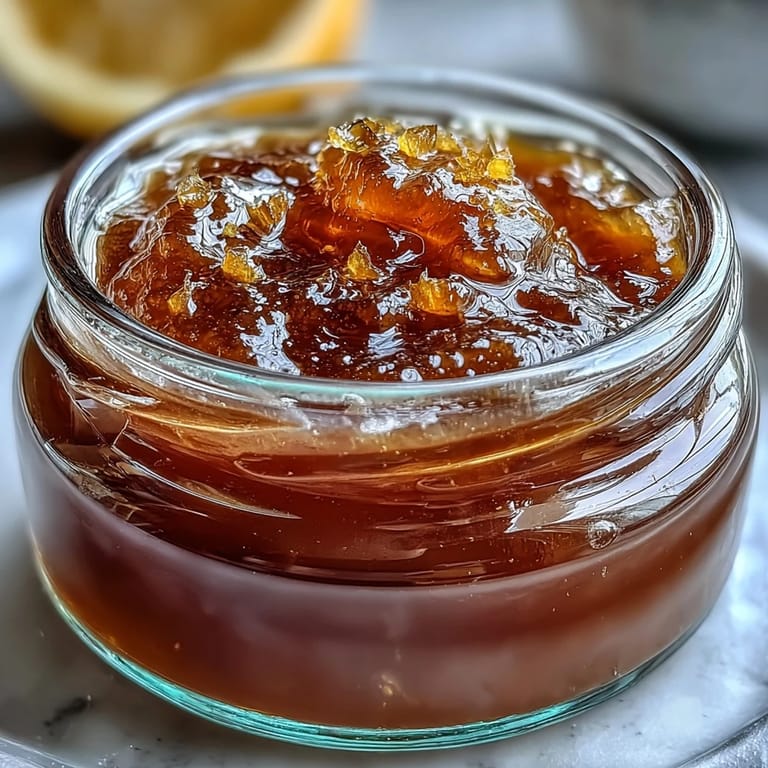
 My neighbor's daughter came back from a spring walk with her pockets full of dandelion heads, absolutely convinced they were treasure. Watching her carefully separate the yellow petals from the green bits sparked something—what if we could capture that bright, almost floral sweetness in a jar? That afternoon turned into my first batch of dandelion jelly, and I've been slightly obsessed ever since. The color alone makes people stop mid-conversation, and the taste? It tastes like sunshine with a whisper of lemon.
I brought a jar to a book club meeting once, spread it on crackers, and someone asked if I'd bought it at a fancy market. There's something about serving something you've foraged and made yourself that shifts the whole energy of a gathering—suddenly everyone's leaning in, asking questions, wanting to know where the dandelions came from. That jar became the thing people remembered about that evening, not the actual book.
Ingredients
- Dandelion petals: Pick from areas you know are pesticide-free—lawns, meadows, anywhere that hasn't been sprayed. The yellow petals are where all the delicate floral flavor lives, so take time to separate them from the bitter green parts.
- Water: This becomes your dandelion tea base, so cold filtered water makes a subtle difference if you're tasting for purity.
- Fresh lemon juice and zest: The zest adds brightness and actual tiny flavor bursts throughout the jelly, while the juice keeps everything from being cloying.
- Honey: This sweetens without overpowering the delicate dandelion note—it's gentler than all sugar would be.
- Granulated sugar: The bulk of your sweetness and what actually helps the jelly set properly.
- Powdered fruit pectin: This is the secret to jelly actually becoming jelly rather than syrup—don't skip it or guess on the amount.
Tired of Takeout? 🥡
Get 10 meals you can make faster than delivery arrives. Seriously.
One email. No spam. Unsubscribe anytime.
Instructions
- Harvest and prep your dandelions:
- Rinse the flower heads gently under cool water and pat dry with a clean towel. This step matters more than you'd think—wet petals stick together and are harder to separate. Pinch off every green sepal and stem, keeping only the sunny yellow petals; the green parts bring bitterness that ruins the whole thing.
- Brew your flower tea:
- Combine the petals and water in a medium saucepan and bring to a boil, then dial it back to a gentle simmer for 10 minutes—you'll see the petals lose their brightness as the color steeps into the water. After 10 minutes, take it off heat and let it sit for a full 30 minutes; this is where patience pays off and the flavor deepens significantly.
- Strain and measure:
- Pour the mixture through a fine mesh sieve or cheesecloth into a bowl, pressing the softened petals gently to coax out every bit of liquid. You should end up with about 3 to 3.5 cups of pale golden dandelion tea; if you have less, add a splash of water.
- Build your flavor base:
- Pour the strained tea back into a clean saucepan and add the lemon juice, lemon zest, and honey, stirring until everything dissolves together. Taste it at this point—it should smell bright and floral with a hint of tartness.
- Activate the pectin:
- Whisk in the powdered pectin until there are no lumps, then crank the heat to high and stir constantly until the mixture reaches a rolling boil that you can't stir down. This usually takes about 5 minutes and looks a bit dramatic when it happens.
- Add sugar and boil hard:
- Dump in all the sugar at once—it'll look like too much, but it's not—and keep stirring until everything comes back to a full, rolling boil. Maintain that hard boil for exactly 1 to 2 minutes while stirring constantly, then remove from heat immediately.
- Skim and jar:
- Use a spoon to skim off any foam floating on top, then carefully ladle the hot jelly into sterilized jars, leaving a quarter-inch of space at the top. Work quickly but carefully here; the jelly is extremely hot and will cause burns.
- Seal and process:
- Wipe the rims clean with a damp cloth, place the lids on top, and screw the bands on until they're snug but not overtightened. Lower the jars into a boiling water bath for exactly 5 minutes, then remove with a jar lifter and let them cool completely on the counter.
 Save to Pinterest
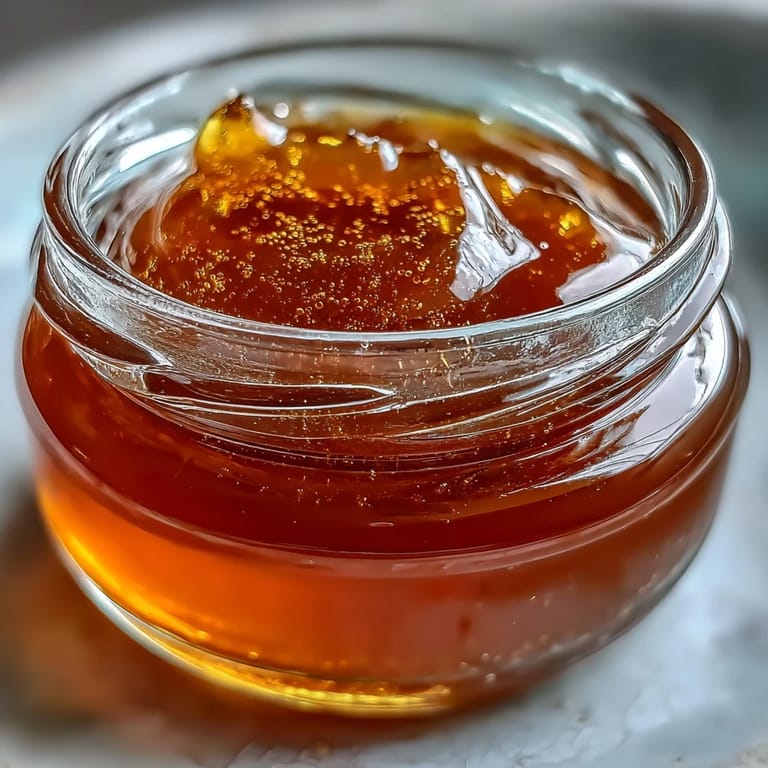
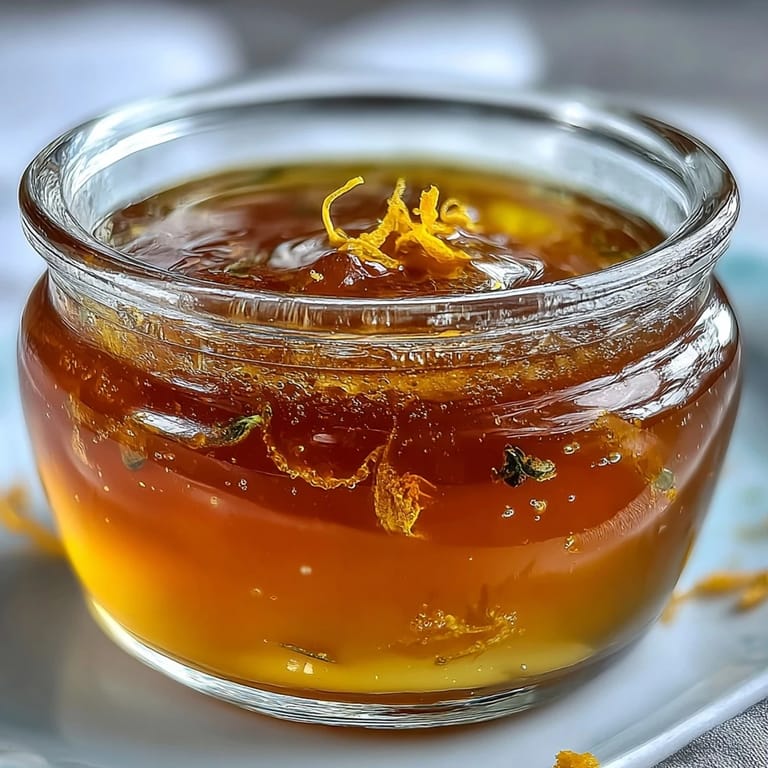
 The moment I saw those jars lined up on my kitchen counter, lids popping as they cooled and sealed, I understood why people have been preserving things for centuries. There's something almost magical about capturing a season in glass, about knowing you can open a jar in February and taste spring again.
Why Dandelions Deserve Your Attention
Most people see dandelions as lawn enemies, something to dig up and eliminate, which is honestly a shame. They're edible from root to flower, and the flowers specifically have this delicate, almost honey-like floral quality that translates beautifully into jelly. Once you start foraging them intentionally, you see your yard or local park completely differently—suddenly there's free food everywhere, just waiting.
Flavor Pairings and Serving Ideas
This jelly is versatile in a way that surprises people. Spread it on buttered toast or scones, swirl it into yogurt, use it as a glaze for pound cake or roasted chicken, or even thin it out slightly as a sauce for vanilla ice cream. The floral notes pair unexpectedly well with savory foods too—I've spread it on goat cheese and crackers to great effect, and it brightens up roasted pork like nothing else.
Storage, Variations, and Final Thoughts
Unopened jars keep for a year or more in a cool, dark cupboard, and once opened, refrigerate and use within a month. If you want to make this vegan, swap the honey for agave syrup in equal measure—the flavor shifts slightly toward something more neutral, but the jelly still sets beautifully. This recipe proves that some of the best food experiences come from paying attention to what's growing right in front of us and taking the time to transform it into something worth sharing.
- If your jelly doesn't set after 24 hours, it's still delicious as a syrup for pancakes or stirred into cocktails.
- Pick dandelions in the morning when they're fully open and before any dew has dried—the petals separate more easily.
- Label your jars with the date and batch; it's a small detail that makes them feel intentional and gift-worthy.
 Save to Pinterest
 Making dandelion jelly is one of those small kitchen projects that reminds you why cooking matters—it connects you to seasons, to foraging, to sharing something you made with your own hands. Every jar is a little sun you've captured.
Recipe FAQs
- → How do I prepare dandelion petals for this jelly?
Remove green sepals and stems, using only the yellow petals. Rinse gently and dry before use to ensure a clean floral flavor.
- → What is the setting agent used in this jelly?
Powdered fruit pectin helps the jelly set firmly once cooked with sugar and boiled properly.
- → Can honey be substituted in this preparation?
Yes, agave syrup can replace honey for a vegan option while maintaining sweetness.
- → How long does the jelly take to fully set?
The jelly usually sets within 24 hours after being poured into sterilized jars and cooled completely.
- → What dishes pair well with this dandelion jelly?
It complements scones, pancakes, yogurt, or can be used as a glaze over cakes for added floral sweetness.