 Save to Pinterest
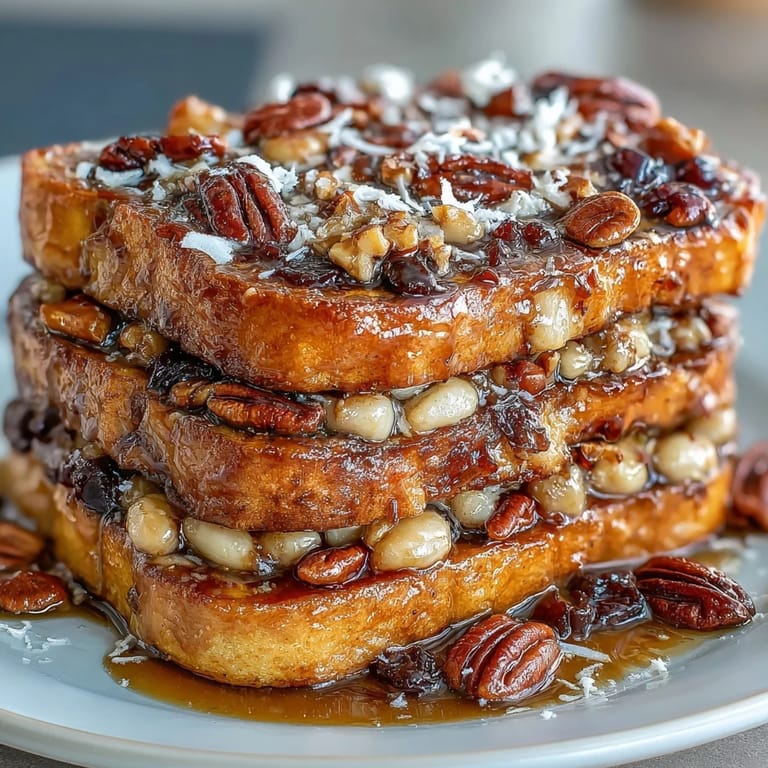
 The scent of caramelized piloncillo syrup always signals that something comforting is underway in my kitchen, and Capirotada Mexicana brings that warmth with every batch. It’s a dessert I stumbled into with curiosity, drawn by its colorful layering and the inviting sizzle as syrup bathes toasted bread. Late one drizzly afternoon, the sound of boiling syrup mingled with chatter from the living room as I assembled the dish. That moment transformed a simple Sunday into something fragrant and buoyant. If you’ve never tried capirotada, it’s an experience for both nose and palate.
I remember preparing capirotada for my friend Luz the first time she visited my place during Lent. We debated whether to add prunes or apricots, and ended up sampling both before gingerly tucking sliced fruit into the dish together—her laughter still echoes in my mind whenever I pull out this recipe.
Ingredients
- Bread: Choose a large, slightly stale bolillo or French loaf; older bread holds up well to syrup and forms that signature tender-yet-toasty bite.
- Piloncillo: This unrefined cane sugar delivers a deep molasses flavor, though brown sugar will work if you’re in a pinch—it’s essential for that classic, fragrant syrup.
- Cinnamon stick and cloves: Don’t skip these, as their gentle spice infuses every layer with inviting warmth; grind them fresh for an extra robust aroma.
- Raisins and dried apricots or prunes: Layers of fruity sweetness; chop dried fruits small so they nestle between bites.
- Pecans, almonds, and peanuts: I love the trio of nuts for their crunch and depth—toast lightly for maximum flavor.
- Shredded mild cheese: Queso fresco, Monterey Jack, or mozzarella offers a subtle, creamy lift; use fresh cheese and shred by hand if you can.
- Sweetened coconut flakes (optional): For a tropical note and pretty finish—just a sprinkle adds magic.
- Butter: Melting a bit over the top encourages gilded, crisp edges and a touch of richness.
Tired of Takeout? 🥡
Get 10 meals you can make faster than delivery arrives. Seriously.
One email. No spam. Unsubscribe anytime.
Instructions
- Prep the Oven and Dish:
- Set your oven to 180°C (350°F) and brush a 9x13-inch baking dish with melted butter for insurance against stickiness.
- Toast the Bread:
- Arrange bread slices on a baking sheet and toast them until golden and crisp, flipping once—they should sound hollow when tapped.
- Simmer Syrup:
- Combine water, piloncillo, a cinnamon stick, and three cloves in a saucepan—let it bubble and fill your kitchen with lovely spice for 8–10 minutes.
- Strain and Layer:
- Remove and discard the spices before you start layering one-third of the toasted bread in your dish, then scatter some fruit, nuts, and cheese over the top. Repeat twice more to build three colorful layers.
- Saturate with Syrup:
- Slowly pour the warm syrup evenly over all layers, making sure every bite will capture that sweetness.
- Add Finishing Touches:
- Drizzle melted butter and sprinkle coconut flakes if using, then cover tightly with foil.
- Bake and Brown:
- Bake covered for 25 minutes, then uncover for the final 10–15 minutes so everything bubbles and browns beautifully.
- Let it Rest:
- Give it at least 15 minutes to set before slicing; the anticipation is worth it.
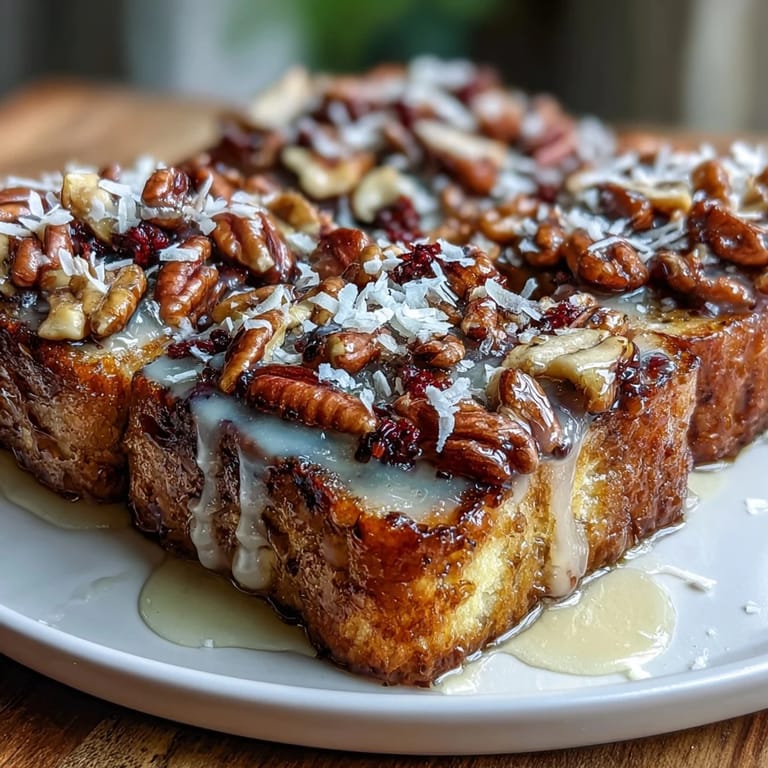 Save to Pinterest
 One chilly evening, we served capirotada after a neighborhood potluck, and it became the centerpiece—not just for its layers but because it sparked sharing old stories about Lent, family, and even favorite cheeses.
Choosing the Perfect Bread
Using day-old bread really is the secret to great capirotada—it holds up to all that luscious syrup without turning soggy. Slice it thick enough so the edges stay crisp but the insides go wonderfully custardy as everything bakes.
Making Your Syrup Shine
Simmering syrup just until it thickens and smells heady makes all the difference; if you can, use real piloncillo for the most authentic depth. Straining out spices at the end means no surprise bites of clove, which I learned the hard way years ago.
Play With Flavor and Texture
Once I tried sneaking in a handful of chopped apples and loved the gentle tartness it brought—don’t be afraid to get creative with fruits or nuts. Every batch can be a little different, which keeps things exciting in the kitchen.
- If you want that bakery-style finish, let the top brown an extra couple of minutes under the broiler.
- Swap out the nuts to suit allergies or what you have on hand.
- Always taste the syrup before pouring; it should be sweet, spiced, and just a little sticky.
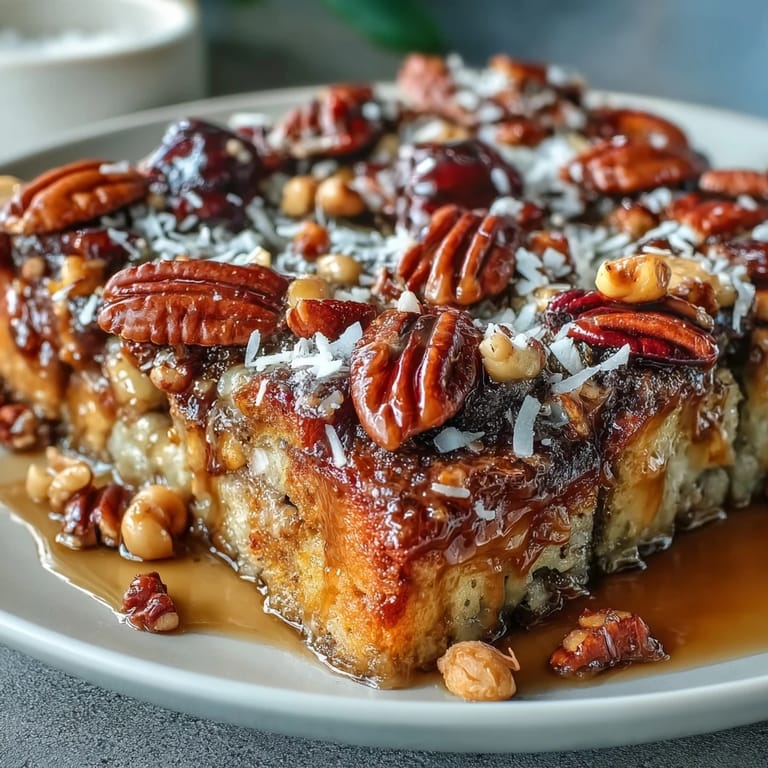 Save to Pinterest
 Whether shared at a bustling table or savored quietly by the window, a warm plate of capirotada always promises a sweet pause in the day.
Recipe FAQs
- → What type of bread works best for capirotada?
Slightly stale bolillo or French bread slices hold up well to syrup and layering, providing sturdy texture after baking.
- → Can dark brown sugar replace piloncillo?
Yes, dark brown sugar is an effective substitute if piloncillo is unavailable, delivering similar caramel sweetness and color.
- → Is it necessary to toast the bread first?
Toasting is important for structure and flavor, preventing the bread from becoming soggy and adding a pleasant crunch.
- → Which cheese varieties are suitable?
Queso fresco, Monterey Jack, or mozzarella offer mild, melty richness that complements the sweet and nutty components.
- → How can the dessert be customized?
Experiment by adding sliced fruits, using different nuts, or altering cheese for dietary needs. Coconut flakes and ice cream are optional toppings.
- → Is capirotada suitable for vegetarians?
Yes, this dessert uses vegetarian-friendly ingredients. For dairy-free versions, substitute the cheese with alternatives as preferred.