 Save to Pinterest
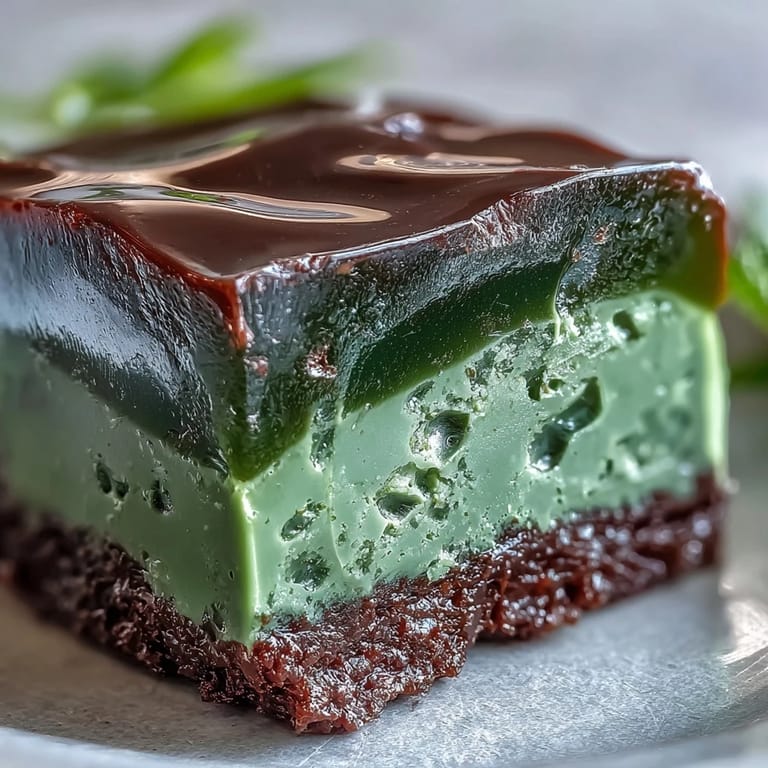
 Steam curling from a saucepan of silky red bean paste once made my whole apartment smell warm and inviting on a rain-soaked afternoon. I wasn’t seeking nostalgia or tradition—just a quiet moment, the soft whir of my whisk, and something gently sweet to share over tea. The first time I made yokan layered with vibrant green matcha jelly, its jewel-like look surprised even myself. It’s a delicate, show-stopping Japanese treat, but the process felt meditative, not daunting. Watching the layers firm up in the fridge was strangely satisfying, and slicing into the finished slab felt like unwrapping a small gift.
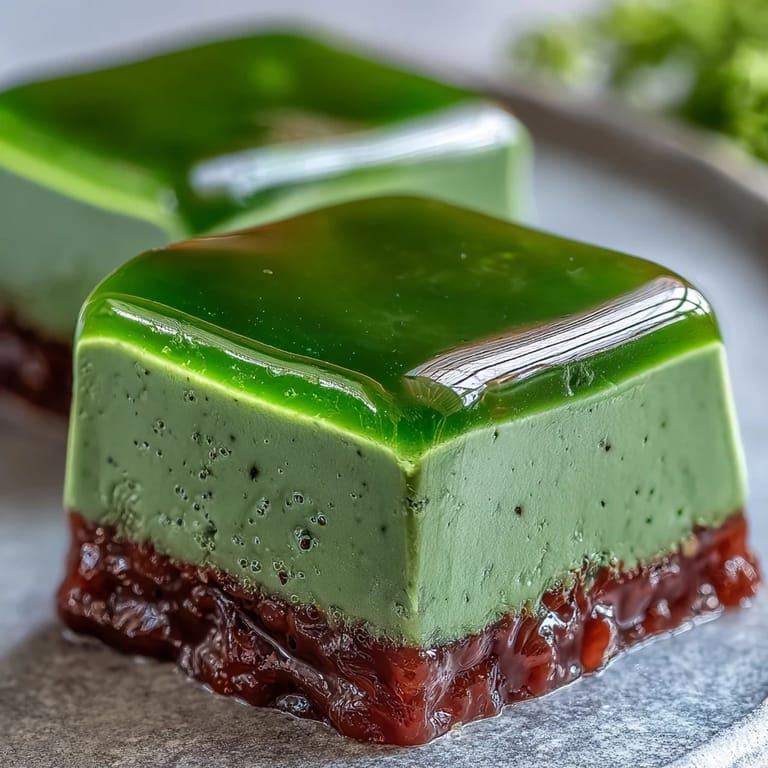
The day I brought a plate of matcha and red bean yokan to a backyard spring picnic, nobody recognized it at first, but their curiosity grew with each slice. The gentle wobble and vibrant green stripe started a conversation about favorite Japanese sweets, and we ended up trading travel stories between bites, each square cooling us off under cherry blossoms that had just started to fall.
Ingredients
- Sweetened red bean paste (anko, koshian): Choose a silky, smooth paste for the most elegant texture—if it’s chunky, press it through a sieve for a finer result.
- Agar-agar powder: This magical, plant-based gelling agent creates the dessert’s signature clean cut; dissolve completely to avoid any gritty bites.
- Water: Filtered water lets both the red bean and matcha shine (and ensures a crystal-clear, beautiful jelly).
- Matcha green tea powder: Sifting before whisking prevents lumps and guarantees that serene, celadon-green finish.
- Sugar: Just enough to balance the earthy matcha—taste the mixture and adjust for your perfect level of sweetness.
Tired of Takeout? 🥡
Get 10 meals you can make faster than delivery arrives. Seriously.
One email. No spam. Unsubscribe anytime.
Instructions
- Start the Red Bean Jelly:
- In a medium saucepan, stir together water and agar-agar powder, watching as the powder begins to dissolve. Bring it to a gentle boil, then simmer for 1-2 minutes while it transforms into a translucently thick base.
- Whisk in the Red Bean:
- Take the pan off the heat and spoon in the sweetened red bean paste, whisking briskly until the mixture turns velvety and uniform.
- Mold the Bottom Layer:
- Pour the red bean mixture into a clean rectangular mold, then use a spatula to smooth the top and pop any bubbles. Let it cool at room temperature till the surface is no longer warm, then refrigerate for about 30 minutes for an even set.
- Make the Matcha Jelly Layer:
- In a new saucepan, combine water and agar-agar powder, stirring until the powder is fully dissolved, and simmer for 1-2 minutes. Add the sugar, then briskly whisk in the sifted matcha—pause to breathe in the grassy aroma.
- Pour the Second Layer:
- Let the matcha base cool until it’s just warm, then gently pour it over the set red bean layer, careful not to disturb its surface. Tilt the mold slightly to help the matcha layer level out, soaking in the color contrast.
- Chill and Set:
- Place the assembled yokan in the refrigerator and let it chill for at least an hour until firm all the way through. When it springs back softly to the touch, it’s ready.
- Unmold, Slice, and Enjoy:
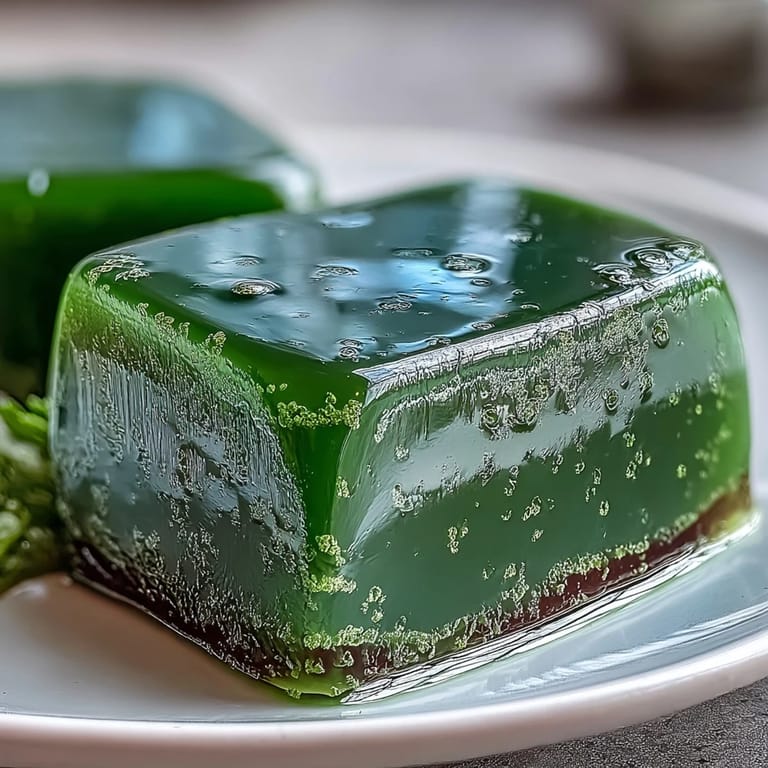
- Loosen the sides with a knife or spatula, tip the yokan out onto a cutting board, and slice with a damp knife for sharp, clean edges. Serve chilled, savoring the glossy layers and the subtle flavors within.
 Save to Pinterest
  Save to Pinterest
 One quiet afternoon, I set out a small plate of yokan for a friend who’d just moved away from Japan—her eyes lit up, and suddenly my simple kitchen counter felt like a little bridge back home for her. It became our new tradition to end coffee dates with a rectangle of jelly, the matcha’s bitterness sparking little conversations each time about where taste and memory meet.
Getting the Layers Just Right
If you’re worried about mixing the layers, rest assured—it’s all about the timing. Waiting for the first layer to barely set but not become completely solid helps the next layer bond without bleeding colors. I like to gently shake the mold and look for a slight jiggle: if the surface just trembles, you’re good to go. If you see the top crinkle when you tap it, wait a few more minutes. Each batch has its own tempo, so don’t rush it.
Working With Agar-Agar
Agar can feel like a culinary science experiment, but it’s actually quite forgiving once you get the hang of it. Always stimulate the powder in cold liquid before heating—it prevents clumping and gives you that clear, bouncy finish. If you ever spot undissolved specks in your saucepan, just keep whisking until it’s perfectly smooth. I learned the hard way that a rapid boil isn’t your friend: gentle heat is key. And if you like your yokan extra firm, a pinch more agar will do the trick.
Perfect Presentation Every Time
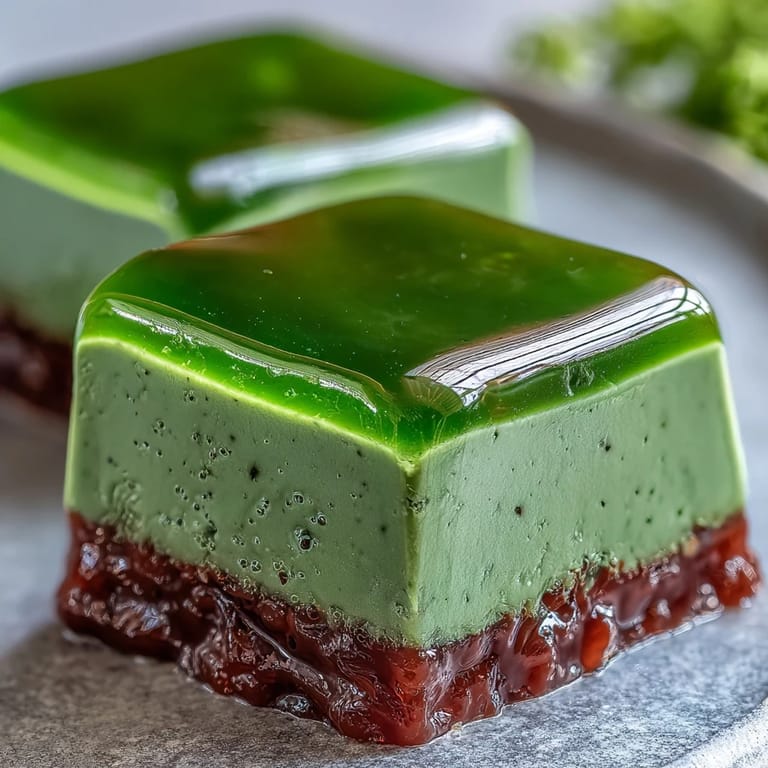
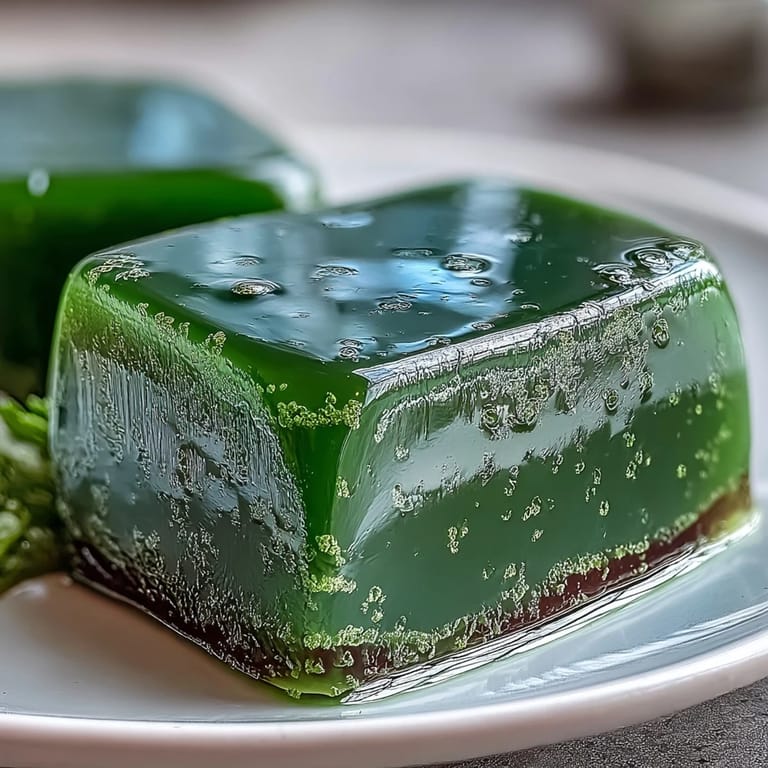
That little moment when you slice through the set yokan and see the two distinct layers is always worth savoring. Wipe the knife between each cut to keep the layers crisp and gorgeous. A sprinkle of matcha powder or a few glossy azuki beans on top can make your platter feel like something from a dessert shop window. Play with shapes—bars, cubes, or even triangles—to keep things playful.
- Wet your knife for a neat slice.
- Chill the mold on a flat surface for even setting.
- Store leftovers tightly covered to keep them gloriously fresh.
 Save to Pinterest
  Save to Pinterest
 This yokan recipe brings a touch of tranquil beauty to even a simple afternoon. I hope you enjoy making (and eating) each delicate slice as much as I do.
Recipe FAQs
- → What is the best agar ratio for a firm yokan?
Use about 5 g agar per 360 ml water for the red bean layer and 4 g per 240 ml for the matcha layer as a starting point. Increase slightly for a firmer bite; reduce a little for a softer, more tender gel.
- → How do I prevent lumps when adding matcha?
Sift matcha before whisking and dissolve it into a small amount of warm water to make a smooth slurry before adding to the hot agar. Whisk briskly to incorporate and avoid clumps.
- → Can I use chunky anko instead of koshian?
Chunky anko will give a coarser texture and visible bean pieces. For a smooth, refined yokan finish use koshian; coarse anko works if you prefer a rustic bite.
- → How long should the layers chill between pours?
Let the base cool at room temperature for 10 minutes and chill until just set (about 30 minutes). The surface should be firm enough to support the next layer without the two mixing but still slightly tacky for adhesion.
- → What slicing tips give clean bars?
Chill the yokan until fully firm, warm the knife under hot water, wipe dry, and slice in a single smooth motion. Repeat warming and wiping between cuts for neat edges.
- → How should yokan be stored and how long does it last?
Keep yokan refrigerated in an airtight container; it stays best for 3-4 days. For longest quality, avoid excess humidity and strong odors in the fridge.