 Save to Pinterest
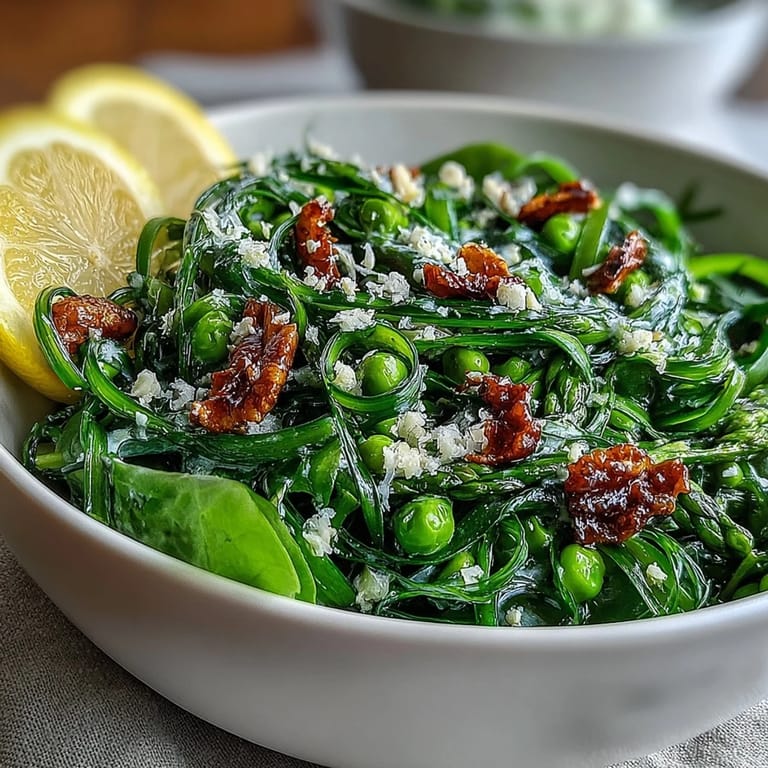
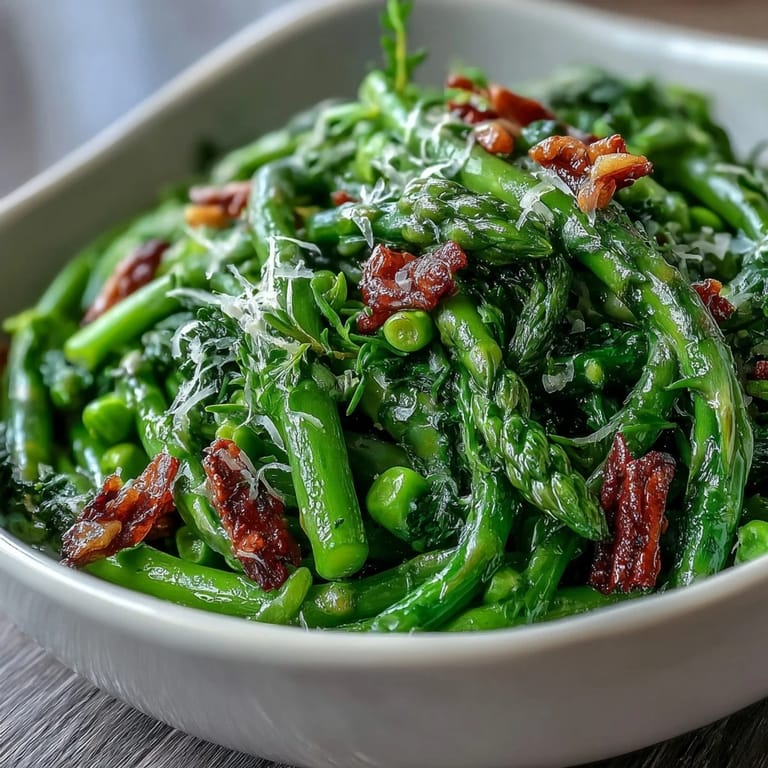
 There's a moment each spring when I stop by the farmers market and see those impossibly thin asparagus bunches, still dewy from the morning, and I know exactly what's coming home with me. My friend Sarah taught me to shave asparagus instead of chopping it years ago—she'd been doing it at her restaurant—and suddenly the whole vegetable transformed into something silky and elegant. That first salad we made together, I remember the sound of the peeler against the stalks, how the ribbons curled just slightly, how the whole thing took maybe fifteen minutes from bag to table. It became one of those dishes I make without thinking, the kind where you taste spring in every bite.
I made this for my mom's book club last April, plating it in a shallow wooden bowl she'd given me years before. One of the women asked if I'd bought it from somewhere—she couldn't believe something this bright and fresh had come from my kitchen. That compliment stuck with me more than it probably should have, because it wasn't about technique or fancy ingredients; it was just about letting good things taste like themselves.
Ingredients
- Fresh asparagus (about 300 g): Look for thin to medium stalks with tight tips; they shave more beautifully and taste less fibrous than thick ones, so don't shy away from the delicate bunches.
- Fresh or thawed green peas (1 cup): These stay sweet and tender in the salad, adding pops of color and a natural sweetness that balances the lemon.
- Baby arugula or mixed spring greens (2 cups): Choose whatever feels brightest at your market; the peppery bite keeps everything from tasting too gentle.
- Radishes (2), thinly sliced: They add a crisp snap and gentle heat that makes you taste all the other flavors more clearly.
- Shaved Parmesan or pecorino (1/4 cup): Use a vegetable peeler to shave it yourself rather than pre-grated; it melts slightly into the warm salad and tastes infinitely better.
- Toasted pine nuts or slivered almonds (1/4 cup): The toasting matters tremendously—it deepens the flavor and gives the salad a satisfying crunch that makes it feel more substantial.
- Extra-virgin olive oil (3 tbsp): This is where quality shows; a good oil carries the whole dressing on its shoulders.
- Freshly squeezed lemon juice (2 tbsp): Fresh juice makes all the difference; bottled just won't sing the same song.
- Lemon zest (1 tsp): Those little flecks brighten everything and remind you why you're making this in spring rather than winter.
- Honey or maple syrup (1 tsp): Just enough to soften the acidity and make the dressing feel whole rather than sharp.
- Dijon mustard (1 tsp): This acts as an emulsifier and adds a subtle sophistication that guests never quite identify but always notice.
- Sea salt and freshly ground black pepper: Taste as you go; what feels right depends on your vegetables and your mood.
Tired of Takeout? 🥡
Get 10 meals you can make faster than delivery arrives. Seriously.
One email. No spam. Unsubscribe anytime.
Instructions
- Shave the asparagus with intention:
- Hold each stalk steady and draw the vegetable peeler from base toward the tip, letting the ribbons fall into your bowl; you'll know when you've hit the woody center and can toss that bit aside. Listen for the soft scraping sound—it's oddly meditative, and you'll find yourself in a rhythm.
- Gather the greens and vegetables:
- Toss the peas, arugula, and radishes into the bowl with the asparagus, keeping everything loose and unmixed for now. This way you can see all your colors and make sure everything looks as fresh as it should.
- Build the dressing in a small vessel:
- Whisk the olive oil, lemon juice, zest, honey, mustard, salt, and pepper together until it looks emulsified and slightly thickened. Taste it before it touches the salad; this is your moment to adjust and make it sing exactly how you want.
- Bring everything together gently:
- Drizzle the dressing over the salad and toss with a light hand, making sure every ribbon of asparagus catches some of the bright liquid. Don't overwork it; you're coating, not marinating.
- Top with the finishing touches:
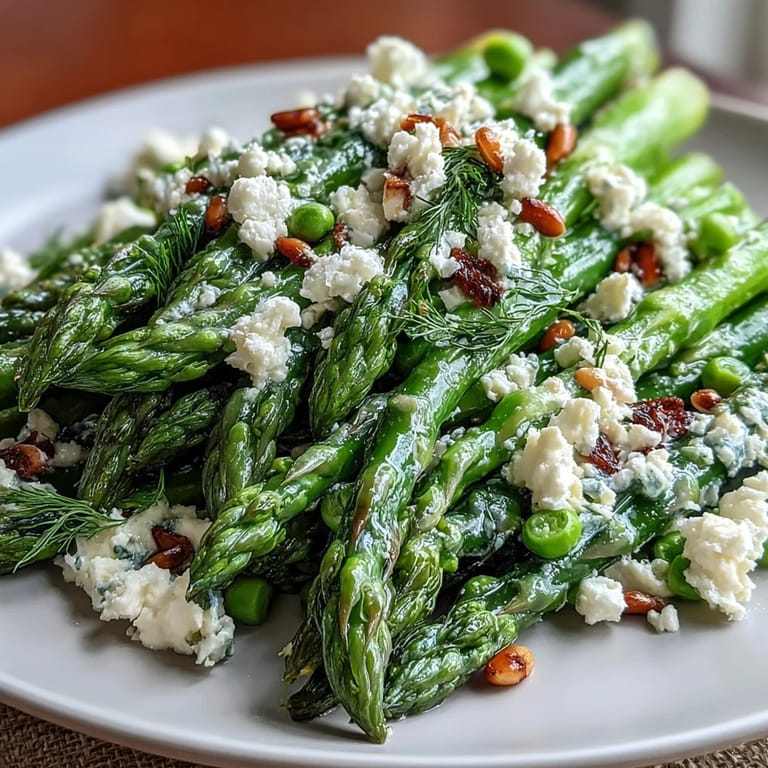
- Scatter the Parmesan shavings and toasted nuts over the top, either tossing them in or leaving them visible on the surface. Either way looks beautiful, and either way tastes exactly right.
- Serve while everything is still cool and crisp:
- This salad is best within minutes of assembly, when the vegetables are still snappy and the dressing hasn't had time to wilt anything. Set it on the table and watch people taste it—their faces always say what needs to be said.
 Save to Pinterest
 My neighbor knocked on the kitchen window once while I was making this, drawn in by the smell of fresh lemon zest I'd just grated. We ended up eating it together on her porch, talking about nothing important, and somehow that ordinary afternoon became one of my favorite kitchen memories. That's what this salad does—it makes you want to share it.
When to Make This
Spring is obviously the obvious answer, but I've found myself making this in late winter too, buying those thin-skinned lemons and remembering that freshness doesn't have to wait for warm weather. The salad feels like a shortcut to believing that better seasons are coming, which somehow matters more when they're still a few weeks away.
Making It Your Own
This is one of those recipes that genuinely improves when you change it slightly, depending on what looks good or what you're in the mood for. I've added fresh mint in summer, used roasted chickpeas instead of nuts for a heartier version, and once threw in shaved beets just because I had them. The bones of the salad—the shaved asparagus, the bright dressing—stay true while everything else becomes flexible.
Serving and Storage
This salad is a fresh-now situation; it doesn't improve with time the way grain salads do, and the vegetables start surrendering their crispness within an hour. I usually prep everything and keep it separate until the moment before serving, which means you can still throw it together in under five minutes even if you're running behind.
- Dress the salad just before eating, never earlier, or the lemon juice will soften the vegetables into submission.
- If you need to prep ahead, slice and refrigerate the vegetables separately, keeping the dressing in a jar until the final moment.
- Leftovers become a softer, quieter version of themselves, which isn't bad for lunch but isn't quite the same magic.
 Save to Pinterest
 This salad has become my answer to the question of what to bring when someone asks for something light and springy. It shows up on my table when I want to taste vegetables at their best and remember why I love cooking without heat.