 Save to Pinterest
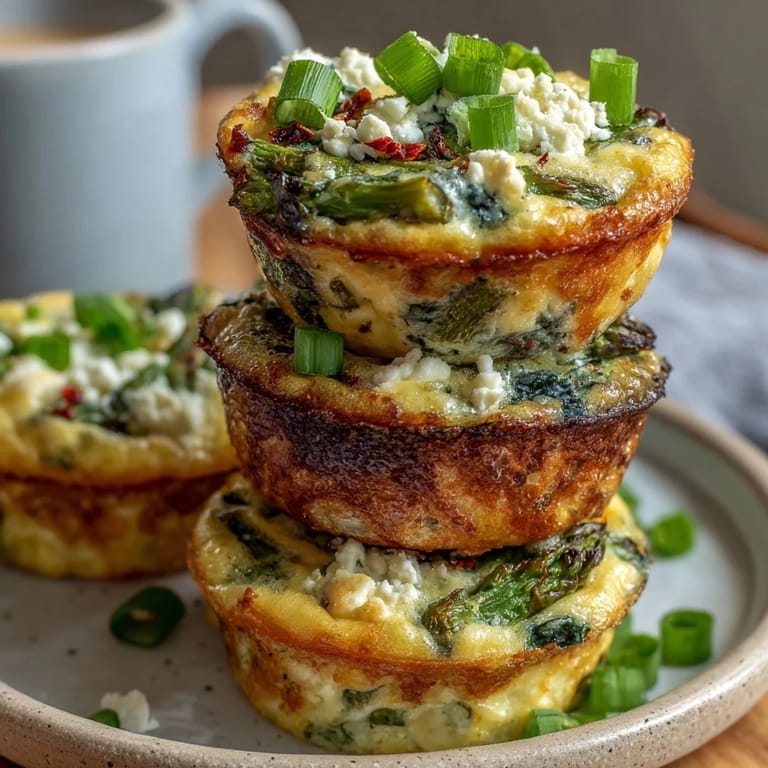
 Some mornings, the sunlight streaming through my kitchen window puts me right in the mood for something bright and beautiful. One spring weekend, I found myself staring at a fridge bursting with fresh asparagus, peas, and dill—remnants from a farmer's market haul that smelled like rain and green things. That inspired these frittata muffins, which came together as music played in the background and coffee percolated. I didn’t expect such simple ingredients to fill the kitchen with such a cozy, herbaceous aroma, but here we are. Muffins, but not the sweet kind—these savory bites became an instant favorite.
Once, these frittata muffins made their debut at a slightly hectic family brunch when we had more guests than forks. Nobody minded—they just grabbed muffins by hand, laughing about how fancy we all felt eating eggs out of muffin cups while standing in the garden. The colors were as cheery as the mood, and we even managed to impress my uncle (a notorious breakfast skeptic). I thought about making a backup plan, but it turned out all I needed was a bit of olive oil and my trusty muffin tin. It became a benchmark for how easy hosting could actually feel.
Ingredients
- Eggs: The foundation for fluffiness; whisking thoroughly helps ensure a soft, custardy bite.
- Whole milk: Adds needed creaminess—feel free to swap in your favorite dairy-free version, but higher fat makes things extra luscious.
- Feta cheese: Its briny tang perks up the eggs, but a gentle hand keeps it from overpowering.
- Parmesan cheese: For a savory backbone and little golden tops (freshly grated melts best).
- Salt and black pepper: Always taste as you go—spring veggies need just enough seasoning to sing.
- Asparagus: Slicing it thinly ensures every muffin has a bite of bright, fresh crunch.
- Peas: Bursts of sweet green (frozen are an easy substitute and no one will know).
- Baby spinach: Rough chop, nothing fancy—tender leaves disappear right into the eggs.
- Scallions: Sliced for mild oniony brightness, best added raw for the freshest flavor.
- Red bell pepper: Finely diced for little bites of color and sweetness that pop.
- Fresh dill: Makes everything taste like early spring, but go easy not to overwhelm.
- Parsley: Lifts the whole batch and keeps flavors balanced—flat-leaf has the most punch.
- Olive oil: For sautéing and greasing—just enough to keep everything light and nonstick.
Tired of Takeout? 🥡
Get 10 meals you can make faster than delivery arrives. Seriously.
One email. No spam. Unsubscribe anytime.
Instructions
- Get prepped:
- Turn your oven to 350°F and coat your muffin tin with olive oil so nothing sticks later.
- Sauté the veg:
- Heat a skillet and swirl in olive oil, then listen for that gentle sizzle as you toss in asparagus and red pepper. Stir until the veggies have softened just a touch, then add peas and spinach—when the spinach wilts, you're set.
- Mix the eggs:
- Crack eggs into a big bowl and whisk with milk, cheeses, dill, parsley, salt, and pepper until the mixture looks creamy and flecked with herbs.
- Combine it all:
- Fold the cooled veggies and scallions into the eggs gently so you keep things light and airy.
- Fill and bake:
- Pour the batter evenly into prepared muffin cups (aim for about 3/4 full). Slide into the oven and bake for 18 to 22 minutes, until they puff and turn just golden on top.
- Cool and serve:
- Let them sit for five minutes, then run a knife around the edges and pop them out—enjoy warm or save for later snacking.
 Save to Pinterest
 There was a rainy afternoon when I made these just for myself, and pulling a golden tray out of the oven felt like a small triumph. That single batch turned into several shared on routine Mondays—a little something special for dreary mornings.
What Makes These Muffins Stand Out
Unlike classic frittatas, these come portioned already—no slicing or worrying about whether the center will set. The mixture of fresh and frozen veg means you can adapt whether or not you hit the market that week, and the herbs always bring energy to the plate.
Serving Suggestions From My Kitchen
Pair these muffins with a zippy arugula salad or a wedge of grainy bread if you want a more filling meal. Sometimes, I tuck them hot into a container and eat them outdoors, or layer two with a swipe of chutney for something special.
Make-Ahead and Storage Wonders
They hold up so well in the fridge, you’ll wonder why you ever bothered with sad cereal. Wrap any leftovers and reheat gently or just eat cold—honestly, they never last long here.
- Always check if they're set with a light touch—the tops should feel springy, not sticky.
- Letting them cool before removing prevents the classic stuck-on-egg situation.
- Play with the herbs each time for a subtle flavor twist.
 Save to Pinterest
 If you find yourself with a handful of veggies and a carton of eggs, give these a try—they really do brighten up the day. Sometimes, it's the smallest fuss that feels most rewarding.
Recipe FAQs
- → How do I prevent soggy muffins?
Sauté wetter vegetables like asparagus and red pepper first and let them cool so excess steam evaporates. Squeeze any thawed peas or spinach to remove moisture, avoid overfilling cups, and bake until the tops are lightly golden and set.
- → Can I make these dairy-free?
Yes. Use a plant-based milk and omit or replace feta and Parmesan with a dairy-free cheese alternative or a nut-based crumble; texture will be slightly different but still flavorful with extra herbs.
- → What’s the best way to store and reheat them?
Cool completely, then refrigerate in an airtight container for up to 4 days. Reheat in a 325°F oven for 8–10 minutes or microwave individually for 20–40 seconds until warm.
- → Can I freeze the muffins?
Yes. Freeze cooled muffins in a single layer on a tray, then transfer to a sealed bag or container for up to 3 months. Thaw overnight in the fridge and reheat in the oven or microwave.
- → How do I know when they’re done?
Tops should be lightly golden and the centers spring back when pressed. A toothpick inserted near the center should come out mostly clean with only a few moist crumbs.
- → What variations work well?
Try swapping feta for goat cheese, adding cooked bacon or smoked salmon, or mixing in different spring vegetables like leeks or ramps. Adjust herbs to taste—dill and parsley are bright options.