 Save to Pinterest
 My blender was spinning loudly one Thursday evening when I realized I had forgotten to buy hummus again. Instead of running back to the store, I grabbed a can of chickpeas from the pantry and decided to experiment with the curry powder sitting unused in my spice drawer. What came out was nothing like the plain hummus I had planned for, it was bolder, warmer, and somehow exactly what I wanted to eat that night.
I brought this to a potluck once without mentioning it was vegan, and three people asked for the recipe before the evening ended. One friend spread it thickly on warm naan and declared it better than any appetizer she had ordered at restaurants. I watched the bowl empty faster than I expected, and I felt quietly proud that something so simple could make people that happy.
Ingredients
- Chickpeas: The backbone of this paste, they blend into a creamy base that holds all the spices together without feeling heavy.
- Tahini: This adds a nutty richness and helps the texture turn silky smooth instead of grainy.
- Lemon juice: Freshly squeezed is best, it brightens the earthy chickpeas and balances the warmth of the curry powder.
- Garlic: One small clove is enough, too much will overpower the delicate spice blend.
- Curry powder: The star here, it gives the paste its golden color and aromatic depth.
- Cumin: It deepens the curry flavor and adds a toasted, smoky note.
- Turmeric: Just a pinch brings color and a subtle earthiness that ties everything together.
- Cayenne pepper: Optional, but a tiny amount adds a gentle heat that lingers pleasantly.
- Olive oil: It makes the paste glossy and smooth, and adds a fruity richness.
- Cold water: The secret to adjusting texture, add it slowly until the paste feels creamy and spreadable.
- Salt and black pepper: Essential for bringing out every other flavor, taste and adjust until it feels just right.
Tired of Takeout? 🥡
Get 10 meals you can make faster than delivery arrives. Seriously.
One email. No spam. Unsubscribe anytime.
Instructions
- Blend the base:
- Add the chickpeas, tahini, lemon juice, garlic, curry powder, cumin, turmeric, cayenne, olive oil, salt, and black pepper into your food processor. Let it run for about a minute until everything starts to come together.
- Adjust the texture:
- Scrape down the sides with a spatula, then add cold water one tablespoon at a time while blending. Stop when the paste is smooth and creamy, not stiff or crumbly.
- Taste and tweak:
- Dip a spoon in and taste it, then add more salt, lemon juice, or curry powder if it needs a boost. Trust your palate here.
- Finish and serve:
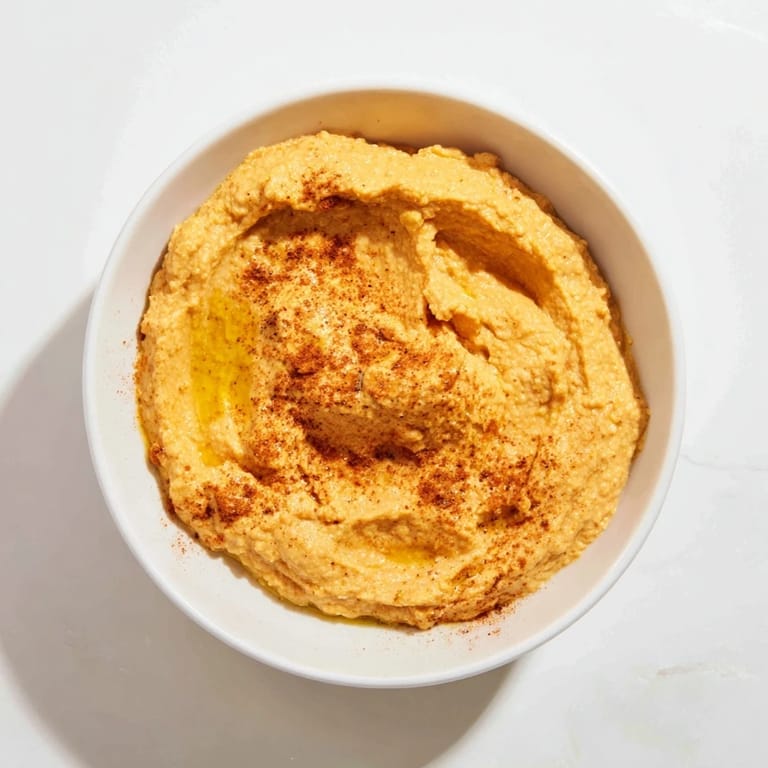
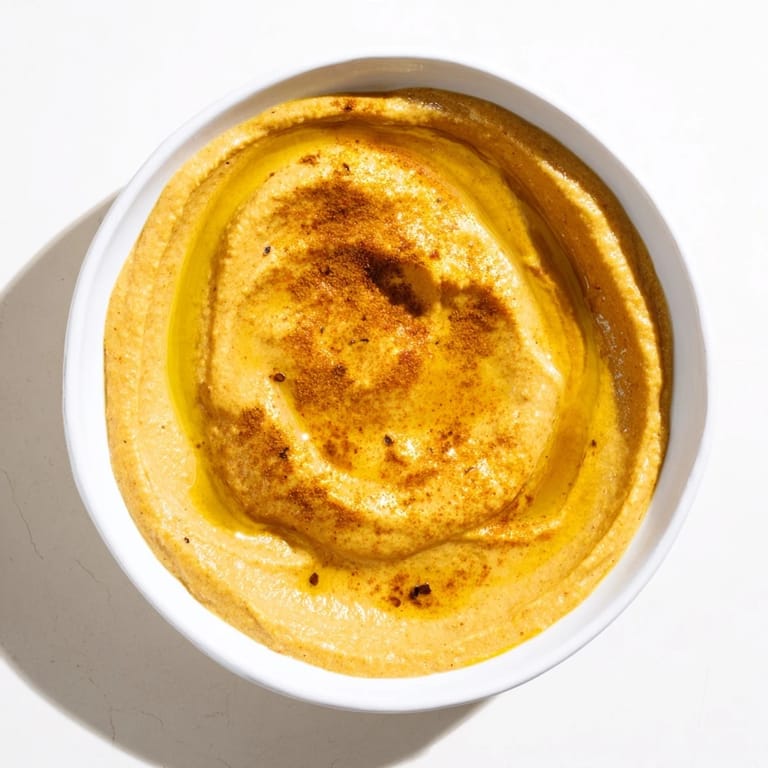
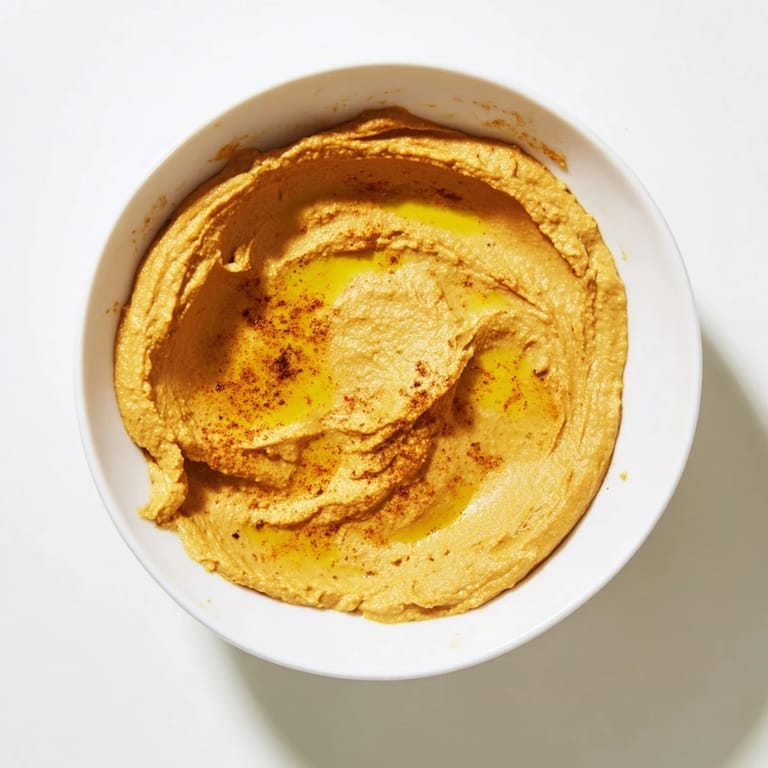
- Transfer the paste to a bowl, drizzle a little olive oil on top, and dust it lightly with curry powder. Serve it right away or cover and chill it for later.
 Save to Pinterest
 The first time I made this, I ate half the bowl standing at the counter with a spoon, dipping torn pieces of pita between bites. It was not elegant, but it was satisfying in a way that made me forget I was alone in the kitchen. That is when I knew this recipe was going to stick around.
Serving Suggestions
This paste works beautifully as a thick spread on toast, layered into wraps with roasted vegetables, or served alongside warm flatbread and crunchy vegetable sticks. I have also used it as a base for grain bowls, spooning it over quinoa or rice and topping it with greens and pickled onions. It is versatile enough to adapt to whatever meal you are building.
Storage and Freshness
Keep this paste in an airtight container in the fridge for up to five days, and it actually tastes better the next day once the spices have had time to settle. If the texture thickens after chilling, stir in a teaspoon of water or a drizzle of olive oil to loosen it back up. I have never tried freezing it, but I suspect it would hold up well if you portion it into small containers.
Ways to Customize
If you love fresh herbs, blend in a handful of cilantro or parsley for a brighter, greener flavor. For extra heat, add a fresh chili or increase the cayenne until it matches your spice tolerance. Some people like stirring in a spoonful of yogurt for tang, though that changes the vegan profile.
- Try smoked paprika instead of cayenne for a deeper, less sharp heat.
- Add a teaspoon of maple syrup if the curry powder tastes too bitter.
- Blend in roasted red pepper for sweetness and a smoky undertone.
 Save to Pinterest
 This paste has become my go to whenever I need something quick, flavorful, and forgiving. I hope it finds a spot in your kitchen too.
Recipe FAQs
- → Can I make this without tahini?
Yes. Replace tahini with Greek yogurt for creaminess (non-vegan), or use additional olive oil and a splash of nut butter if not allergic. Adjust water as needed for proper consistency.
- → How long does the paste keep?
Store in an airtight container in the refrigerator for up to 5 days. For longer storage, freeze in ice cube trays for up to 2 months, thawing in the refrigerator before serving.
- → What's the best way to serve this?
Serve with warm pita or naan bread, fresh vegetable crudités, crackers, or use as a sandwich spread. A drizzle of good-quality olive oil and paprika on top enhances visual appeal.
- → Can I adjust the spice level?
Absolutely. Increase cayenne pepper or add fresh minced chili for heat. For milder flavor, reduce curry powder and cumin. Taste as you blend and adjust seasonings to preference.
- → Is this truly gluten-free?
Yes, all core ingredients are naturally gluten-free. However, always verify that store-bought curry powder and tahini are certified gluten-free, as processing facilities may vary.
- → What consistency should the paste have?
Aim for a thick, spreadable consistency similar to hummus. Add water gradually during blending until you reach desired texture. Too thick? Add more water. Too thin? Blend in additional chickpeas.