 Save to Pinterest
 My coworker dropped off a container of Korean beef bowl from a local spot, and I couldn't stop thinking about how quickly I could recreate it at home. The umami-rich sauce clung to tender beef, and those crisp fresh toppings made each bite feel lighter than it had any right to be given how satisfying it was. Twenty-five minutes later in my kitchen, I had something just as good, maybe better because I could pile on extra gochujang without judgment. That's when I realized this dish wasn't some complicated restaurant secret—it was just bold flavors, good technique, and knowing when to stop fussing.
Last Thursday I made this for friends who'd been skeptical about gochujang, thinking it would taste too intense or unfamiliar. The moment they tasted that sauce—spicy but balanced with sweetness and depth—their faces changed. Someone asked for seconds before the first bowl was empty, and suddenly we were debating whether to make another batch. That's when I knew this recipe wasn't just about feeding people quickly; it was about changing minds one delicious bite at a time.
Ingredients
- Lean ground beef (1 lb): Brown it until it's properly caramelized, not just cooked through, because those crispy edges carry so much flavor into the sauce.
- Gochujang (2 tablespoons): This Korean chili paste is the backbone—fermented, slightly sweet, with real depth that raw chili powder can't replicate, so don't skip it or substitute rashly.
- Low-sodium soy sauce or tamari (3 tablespoons): Go with tamari if gluten matters to you, but either way, taste your sauce before serving because soy brands vary wildly in saltiness.
- Brown sugar (2 tablespoons): This isn't about sweetness; it balances the chili heat and helps the sauce glaze the beef with a subtle shine.
- Sesame oil (1 tablespoon): Use it to cook the beef—the nutty aroma as it heats is your signal that the pan is ready and the flavor foundation is being laid.
- Garlic and ginger (2 cloves minced garlic, 1 teaspoon grated ginger): Fresh, not jarred, because they bloom in the hot oil and create an aromatic base that makes people ask what smells so good.
- Rice vinegar (1 tablespoon): This is the secret that lifts the sauce, cutting through richness and sharpening all those savory flavors into focus.
- Black pepper (1/2 teaspoon): A grind at the end adds an almost invisible but crucial warmth that rounds everything out.
- Cooked rice or cauliflower rice (4 cups total): This is your canvas; regular rice soaks up sauce like a sponge, while cauliflower rice keeps things lighter.
- Cucumber, carrot, green onions, sesame seeds, optional chili and kimchi: These toppings aren't afterthoughts—they're texture and freshness that transform the dish from rich and heavy to balanced and alive.
Tired of Takeout? 🥡
Get 10 meals you can make faster than delivery arrives. Seriously.
One email. No spam. Unsubscribe anytime.
Instructions
- Heat your skillet and brown the beef:
- Pour sesame oil into a large skillet over medium-high heat and let it shimmer—this takes maybe 30 seconds—then add your ground beef. Break it into small pieces with a spatula or wooden spoon, resisting the urge to stir constantly; let it sit for a minute so it develops those golden, caramelized edges that taste infinitely better than gray, boiled meat.
- Wake up the aromatics:
- Once the beef is browned through, add your minced garlic and grated ginger and sauté for exactly one minute—any longer and they'll burn and taste bitter. You'll smell that woody, pungent aroma filling your kitchen, which is your cue that the flavor base is ready.
- Build the sauce and let it come together:
- Add gochujang, soy sauce, brown sugar, rice vinegar, and black pepper all at once, stirring until everything dissolves and coats the beef in a glossy, deep red sauce. Simmer for 2-3 minutes, watching as it thickens slightly and the raw edge of the spices mellows into something cohesive and balanced.
- Taste and adjust your seasoning:
- Pull the pan off heat and taste a small spoonful of sauce on beef. If it needs more heat, add a few drops more gochujang; if it feels too spicy, a tiny bit of brown sugar calms it down.
- Assemble and serve with intention:
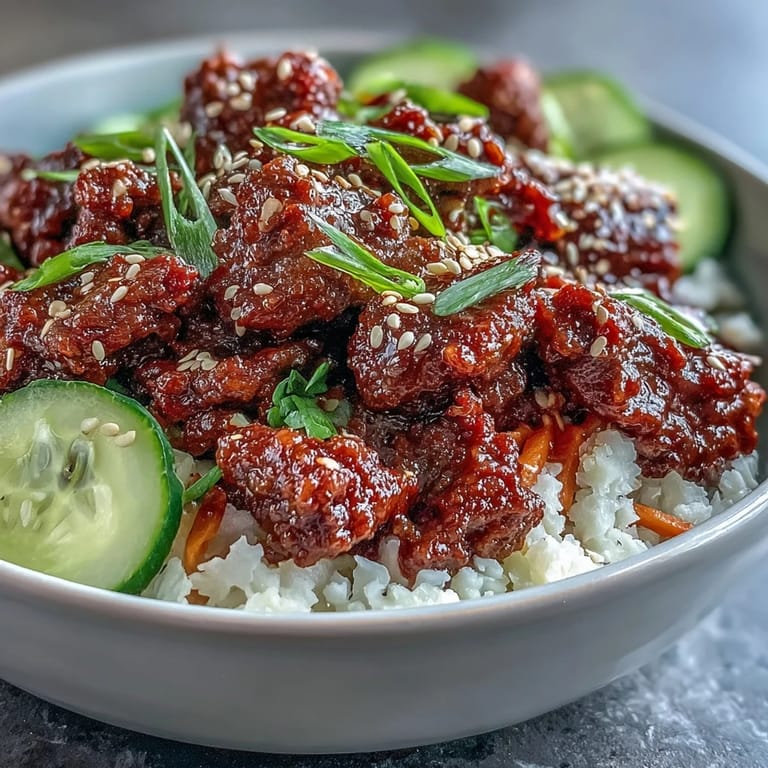
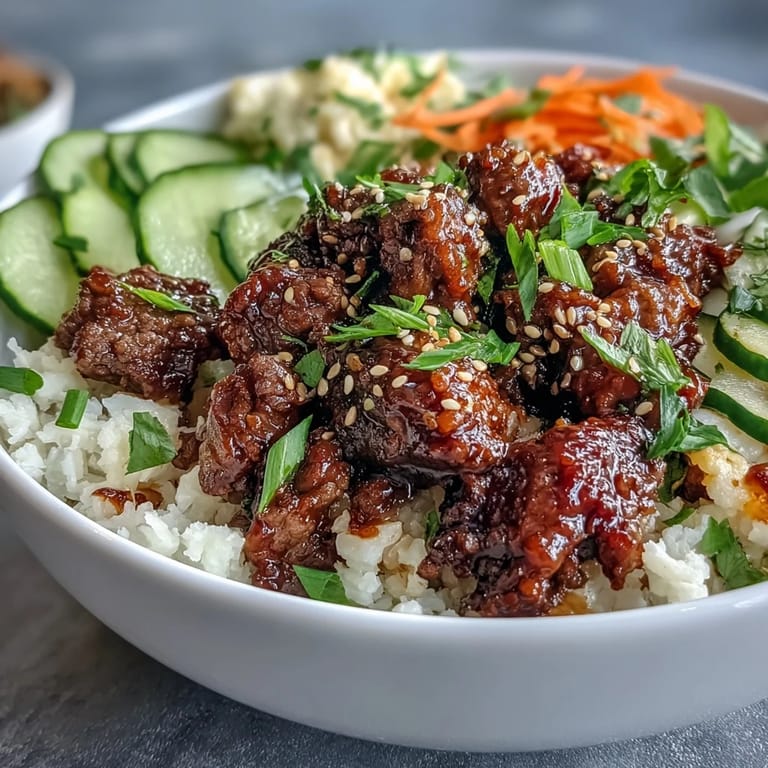
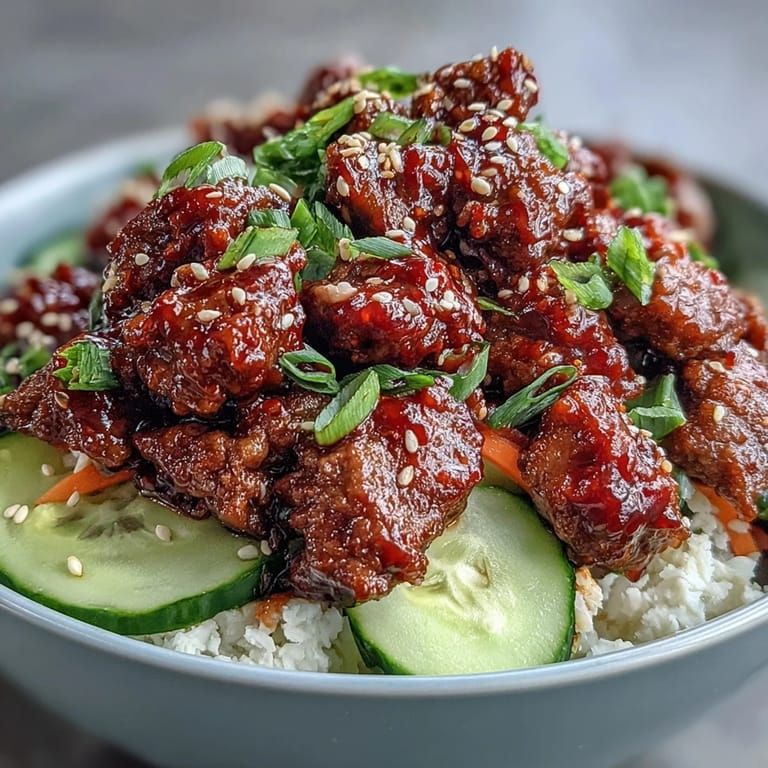
- Divide your rice among bowls, spoon the beef and its sauce on top, then layer cucumber, carrot, green onions, sesame seeds, and chili or kimchi if you're using them. Serve right away while the beef is still warm and the vegetables still have their snap.
 Save to Pinterest
 There's something about standing over a bowl of this—warm beef glistening with sauce, cool cucumber and carrot offering contrast, that first bite where everything comes together at once—that makes you feel like you've done something right. It's not fussy or pretentious, just honest food that tastes better than it has any business tasting in 25 minutes.
Why This Sauce Works
The magic here is balance: gochujang brings heat and fermented depth, brown sugar and rice vinegar create a sweet-sour counterpoint, and soy sauce adds umami that ties everything together. Sesame oil isn't just cooking fat; it's a flavor carrier that makes the garlic and ginger sing, and black pepper adds a whisper of warmth that rounds the whole thing out. None of these ingredients is fighting for dominance—they're all supporting each other, which is why the sauce tastes so much more complex than its ingredient list suggests.
Rice or Cauliflower Rice: Which to Choose
This is genuinely a no-wrong-answer situation. Regular white or brown rice soaks up the sauce generously and becomes almost creamy, making the bowl feel more indulgent and satisfying. Cauliflower rice stays light and lets the beef and sauce shine, and it keeps carbs lower if that matters to you—plus there's something appealing about how it absorbs flavor without becoming mushy. I've made it both ways depending on my mood: sometimes I want that starchy comfort, sometimes I want something that feels brighter and fresher.
The Toppings Are Not Optional
I learned this the hard way by eating a bowl with just beef and rice, thinking the toppings were decoration. They're not—they're structural. The cool, crisp vegetables cut through the richness of the beef and sauce, the sesame seeds add nuttiness and textural contrast, and everything together creates a bowl that tastes complete instead of one-dimensional. The fresh chili adds heat if you want it, and kimchi brings a funky, fermented counterpoint that makes each bite more interesting than the last.
- Slice your cucumber thin and your carrots into matchsticks so they stay crisp and don't weigh down the bowl.
- Toast your sesame seeds in a dry skillet for 2-3 minutes before sprinkling them on to intensify their nuttiness.
- Assemble everything right before eating so the vegetables stay fresh and snappy instead of getting soggy from the warm sauce.
 Save to Pinterest
 This bowl has become my go-to when I want something that feels special but doesn't demand hours in the kitchen. It's the kind of dish that makes you feel capable and satisfied in equal measure.
Recipe FAQs
- → What does gochujang taste like?
Gochujang is a Korean fermented chili paste with a complex flavor profile that combines sweet, salty, and spicy notes. It has a deep umami richness similar to miso, with a moderate heat level and slight sweetness from the rice used in fermentation.
- → Can I make this ahead of time?
The seasoned beef stores exceptionally well in the refrigerator for up to 4 days. Reheat gently in a skillet or microwave, adding a splash of water if the sauce has thickened too much. Keep toppings separate and add fresh just before serving.
- → Is this dish very spicy?
The spice level is moderate and family-friendly. Gochujang provides a mellow heat rather than sharp burn. You can easily reduce the amount to 1 tablespoon for mild flavor or increase to 3 tablespoons if you prefer more intensity.
- → What can I substitute for gochujang?
If unavailable, mix equal parts tomato paste and miso paste with sriracha and a touch of honey. Alternatively, use Korean red pepper flakes (gochugaru) dissolved in a little warm water mixed with soy sauce and sugar.
- → Can I use other proteins?
Ground turkey or chicken work beautifully for a lighter version. Cooking times remain the same, though you may want to add a teaspoon of oil since poultry has less fat. For a vegetarian option, use crumbled tofu or plant-based ground meat.
- → How do I make this gluten-free?
Replace regular soy sauce with tamari or coconut aminos. Check that your gochujang brand is certified gluten-free, as some varieties contain wheat. Serve over cauliflower rice or gluten-free grains like quinoa.