 Save to Pinterest
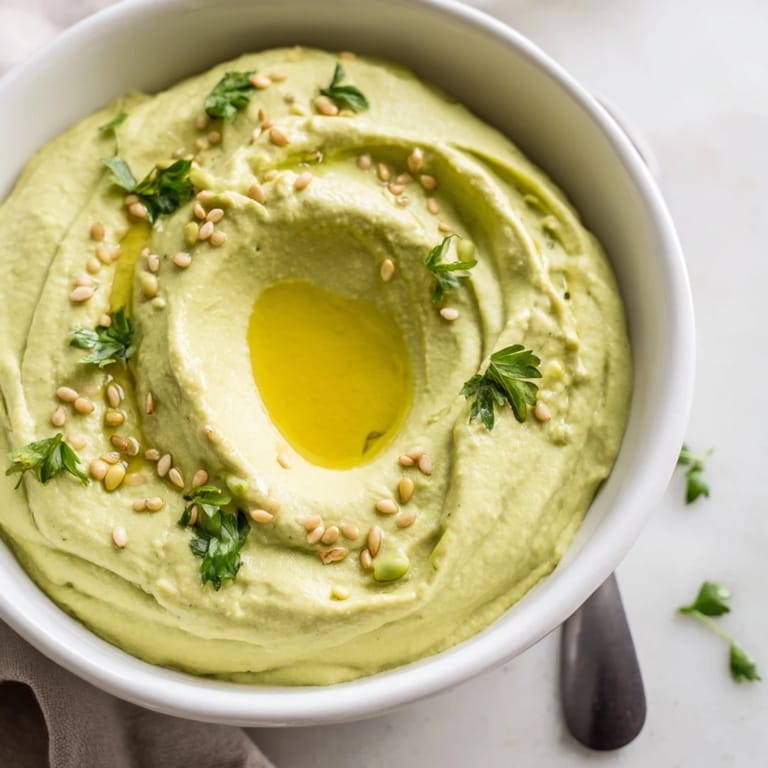
 I bought a bag of frozen edamame on a whim one Thursday afternoon, thinking I'd just snack on them with salt. By Saturday, the bag was still sitting there, and I was tired of the same chickpea hummus I'd been making for months. I tossed the edamame into boiling water, dumped them into the food processor with tahini and lemon, and hit blend. What came out was this shockingly green, impossibly creamy dip that tasted like spring in a bowl. I've been making it ever since, and people always ask what makes it so bright.
The first time I brought this to a potluck, someone asked if I'd added spinach or herbs to make it so green. When I told them it was just edamame, they went quiet for a second, then reached for another scoop. By the end of the night, the bowl was scraped clean, and three people texted me for the recipe. It's become my go-to whenever I need something that looks impressive but doesn't require any real effort or fancy ingredients.
Ingredients
- Shelled edamame: These little green soybeans are the star here, and they blend into the creamiest base with a naturally sweet, slightly grassy flavor that's nothing like chickpeas. Frozen works just as well as fresh, so don't stress about sourcing.
- Tahini: This sesame paste adds richness and a nutty backbone that balances the brightness of the lemon. Make sure to stir it well before measuring, since the oil separates in the jar.
- Freshly squeezed lemon juice: Bottled lemon juice doesn't cut it here, the fresh stuff brings a lively zing that wakes up the whole dip. One large lemon usually gives you exactly what you need.
- Extra-virgin olive oil: A good drizzle in the blend makes everything silky, and a little more on top before serving adds a glossy finish and fruity aroma.
- Garlic: Two cloves give a gentle bite without overpowering the delicate edamame, but if you love garlic, three won't hurt.
- Ground cumin: Just half a teaspoon brings warmth and a hint of earthiness that ties the flavors together like a quiet hum in the background.
- Sea salt: This is your flavor amplifier, and you'll want to taste and adjust at the end because tahini and edamame can vary in saltiness.
- Cold water: Adding water while blending loosens the hummus to that perfect scoopable consistency, so don't skip this step or you'll end up with a thick paste.
- Toasted sesame seeds and parsley: These are optional, but they make the bowl look like something you'd order at a cafe, and the sesame seeds add a nice crunch.
Tired of Takeout? 🥡
Get 10 meals you can make faster than delivery arrives. Seriously.
One email. No spam. Unsubscribe anytime.
Instructions
- Cook the edamame:
- Bring a medium pot of water to a rolling boil, then drop in the edamame and let them cook for 4 to 5 minutes until they're tender and easy to squish between your fingers. Drain them and run cold water over the top so they stop cooking and cool down fast.
- Blend the base:
- Toss the edamame, tahini, lemon juice, olive oil, garlic, cumin, and salt into your food processor and let it run until everything is completely smooth, scraping down the sides once or twice. The mixture will be thick at first, but keep blending and it'll start to loosen.
- Adjust the texture:
- With the motor still running, drizzle in cold water one tablespoon at a time until the hummus reaches that creamy, swoopable consistency you want. Some batches need two tablespoons, some need four, it depends on how thick your tahini is.
- Taste and tweak:
- Give it a taste and see if it needs more lemon for brightness or a pinch more salt to bring out the flavors. This is your moment to make it exactly how you like it.
- Serve it up:
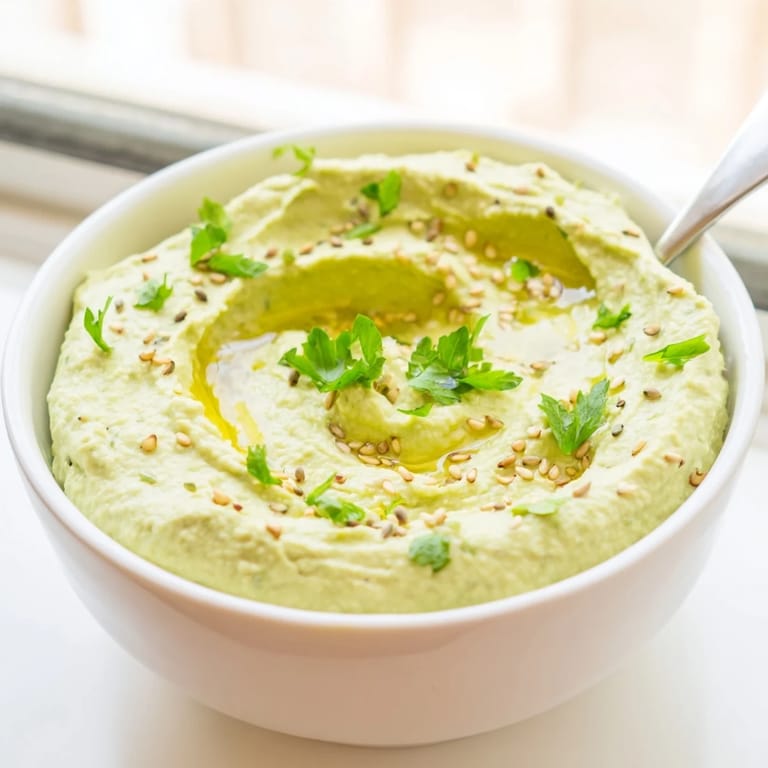
- Spoon the hummus into a shallow bowl, use the back of a spoon to make a little swirl on top, then drizzle with olive oil and scatter sesame seeds and parsley over it. Serve with pita chips, carrot sticks, or slather it on a sandwich.
 Save to Pinterest
 One Sunday afternoon, I made a double batch of this and packed it into small jars for my sister and a couple of friends who'd had a rough week. When my sister texted me later, she said she'd eaten half the jar standing at the counter with a spoon, no vegetables involved. That's when I realized this hummus isn't just a dip, it's the kind of thing that feels like a little gift, even when you're just making it for yourself on a Tuesday night.
How to Store and Keep It Fresh
This hummus keeps beautifully in an airtight container in the fridge for up to four days, though it rarely lasts that long in my house. The color might dull slightly after a day or two, but the flavor stays bright and creamy. If it thickens up in the fridge, just stir in a teaspoon of cold water or a drizzle of olive oil before serving, and it'll loosen right back up. I've also frozen it in small portions, and it thaws perfectly fine, though the texture can be a tiny bit grainy until you give it a good stir.
Ways to Switch It Up
Once you've made this a few times, it's fun to play around with the flavors and see what sticks. I've stirred in a quarter teaspoon of smoked paprika for a subtle smokiness, and I've swapped the parsley for cilantro when I want something a little brighter and more herbal. A pinch of cayenne or a few drops of hot sauce can give it a gentle kick, and I've even blended in a handful of fresh basil once, which turned it into something halfway between hummus and pesto. The base is forgiving, so don't be afraid to experiment with whatever herbs or spices you have around.
Serving Suggestions and Pairings
I love serving this with warm pita wedges or sturdy pita chips that can handle a generous scoop, but it's just as good with raw vegetables like carrots, cucumbers, bell peppers, or snap peas. It makes an excellent sandwich spread, especially on sourdough with avocado, sprouts, and tomato, and I've even used it as a creamy base for grain bowls with roasted vegetables and quinoa. If you're putting together a mezze platter, this sits beautifully next to olives, stuffed grape leaves, and a little dish of marinated feta.
- Pair it with baked sweet potato rounds for a heartier snack that feels almost like a meal.
- Spread it on a wrap with grilled chicken, cucumbers, and a drizzle of tzatziki for a quick lunch.
- Serve it alongside roasted chickpeas and pickled vegetables for a colorful, texturally interesting appetizer spread.
 Save to Pinterest
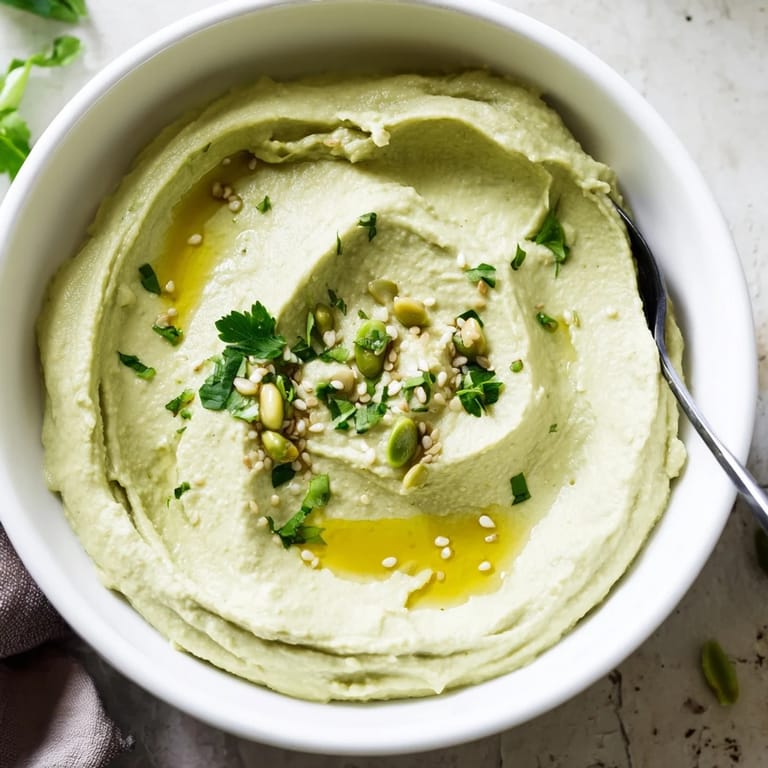
 This edamame hummus has become one of those recipes I make without thinking, the kind that feels like a small win every time it comes together. I hope it becomes that for you too, something easy and bright that you reach for whenever you need a snack, a spread, or just a little burst of green on your counter.
Recipe FAQs
- → Can I use fresh edamame instead of frozen?
Yes, fresh edamame works beautifully. Steam for 4-5 minutes until tender, then proceed with the blending steps. Frozen edamame is equally convenient and produces the same creamy result.
- → How do I get the smoothest consistency?
Use a food processor or high-powered blender and blend for 2-3 minutes, scraping down sides as needed. Add cold water gradually, one tablespoon at a time, until reaching desired creaminess.
- → What can I serve this dip with?
Pair with pita chips, crackers, raw vegetables like carrots and cucumber, bell pepper strips, or use as a sandwich spread. It's versatile enough for appetizer platters or lunch boxes.
- → How long does homemade edamame dip keep?
Store in an airtight container in the refrigerator for up to 4 days. The dip may thicken slightly; thin with a splash of water or lemon juice before serving if needed.
- → What flavor variations can I try?
Add smoked paprika or cayenne for heat, swap parsley for cilantro, or include roasted red peppers for depth. Experiment with cumin ratios or add a touch of honey for subtle sweetness.