 Save to Pinterest
 I stumbled onto this recipe during a late summer when the market had fresh thyme and sumac everywhere. A neighbor handed me a small jar of zaatar her aunt had mixed by hand, and I knew I had to bake something that would let it shine. The smell of toasted sesame and earthy herbs filled my kitchen within minutes, and I've never looked back. It became my go-to whenever I wanted something warm, aromatic, and deeply satisfying without spending half the day in the kitchen.
I remember making this for a small gathering where everyone was skeptical about homemade bread. The moment I pulled the trays from the oven, the room went quiet, then everyone rushed over. One friend tore off a piece before it even cooled and declared it better than anything from the bakery down the street. That night, the flatbreads disappeared faster than I could slice the vegetables meant to go with them.
Ingredients
- All-purpose flour: Forms the soft, elastic base that holds the zaatar topping without crumbling, and a little extra on hand helps if the dough feels sticky.
- Instant dry yeast: Gives the dough a gentle rise and airy texture, no need to proof it separately which saves precious minutes.
- Sugar: Feeds the yeast and adds a whisper of sweetness that balances the earthy zaatar.
- Salt: Sharpens the flavor of the dough and keeps the topping from tasting flat.
- Olive oil (for dough): Softens the crumb and makes the dough easier to stretch without tearing.
- Warm water: Activates the yeast and brings everything together, just make sure it's warm to the touch but not hot enough to kill the yeast.
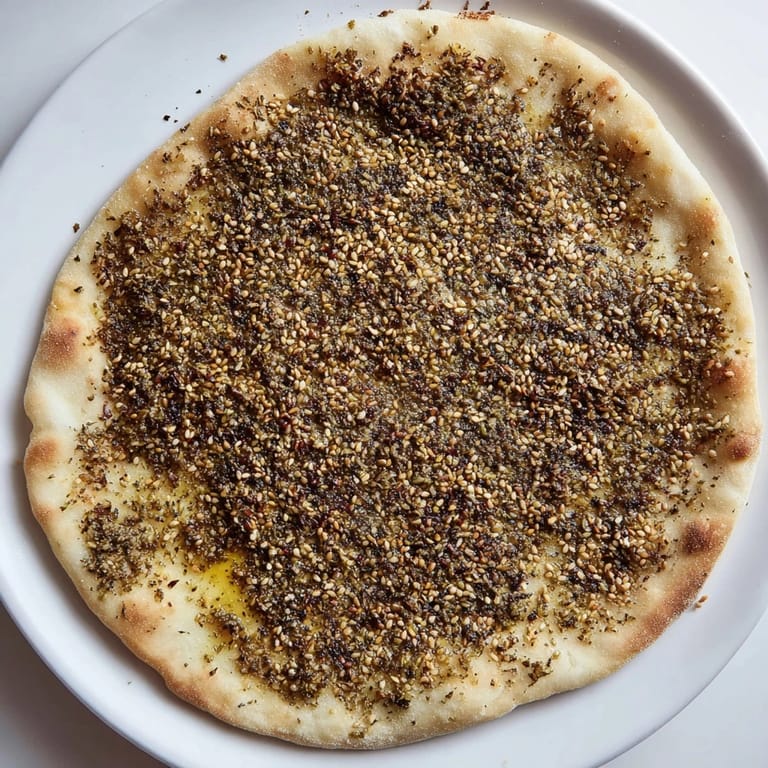
- Zaatar spice blend: The star of the show, a mix of thyme, sumac, and sesame that smells like a Middle Eastern pantry.
- Toasted sesame seeds: Add a nutty crunch and deepen the toasted aroma when baked.
- Extra virgin olive oil (for topping): Turns the dry spices into a spreadable paste and keeps the surface glossy and tender.
Tired of Takeout? 🥡
Get 10 meals you can make faster than delivery arrives. Seriously.
One email. No spam. Unsubscribe anytime.
Instructions
- Mix the dough:
- Whisk together the flour, yeast, sugar, and salt in a large bowl, then drizzle in the olive oil and pour the warm water slowly while stirring. Keep adding water until the dough pulls away from the sides and forms a shaggy ball.
- Knead until smooth:
- Turn the dough onto a lightly floured counter and knead for 5 to 7 minutes, folding and pressing until it feels springy and no longer sticky. If it clings to your hands, dust with a bit more flour.
- Let it rise:
- Place the dough in an oiled bowl, cover with a damp towel, and set it somewhere warm for about an hour. It should puff up and double in size, looking soft and pillowy.
- Preheat and prep:
- Heat your oven to 220°C (425°F) and line two baking sheets with parchment paper so the breads don't stick. This also makes cleanup a breeze.
- Shape the rounds:
- Divide the risen dough into four equal pieces, roll each into a ball, then flatten with your hands or a rolling pin into rounds about 6 to 7 inches wide. Arrange them on the prepared sheets with a little space between.
- Make the zaatar paste:
- Stir together the zaatar, sesame seeds, and olive oil in a small bowl until it looks like a thick, fragrant paste. The oil should coat every speck of spice.
- Spread the topping:
- Use the back of a spoon to spread the zaatar mixture over each round, leaving a narrow border at the edge. Press gently so it sticks but doesn't soak through.
- Bake until golden:
- Slide the trays into the oven and bake for 12 to 15 minutes, watching for golden edges and a slightly crisp surface. The smell will tell you when they're close.
- Serve and enjoy:
- Let the breads cool for a minute or two, then serve them warm with labneh, olives, or fresh tomatoes and cucumbers. They're also wonderful torn into pieces and shared straight from the tray.
 Save to Pinterest
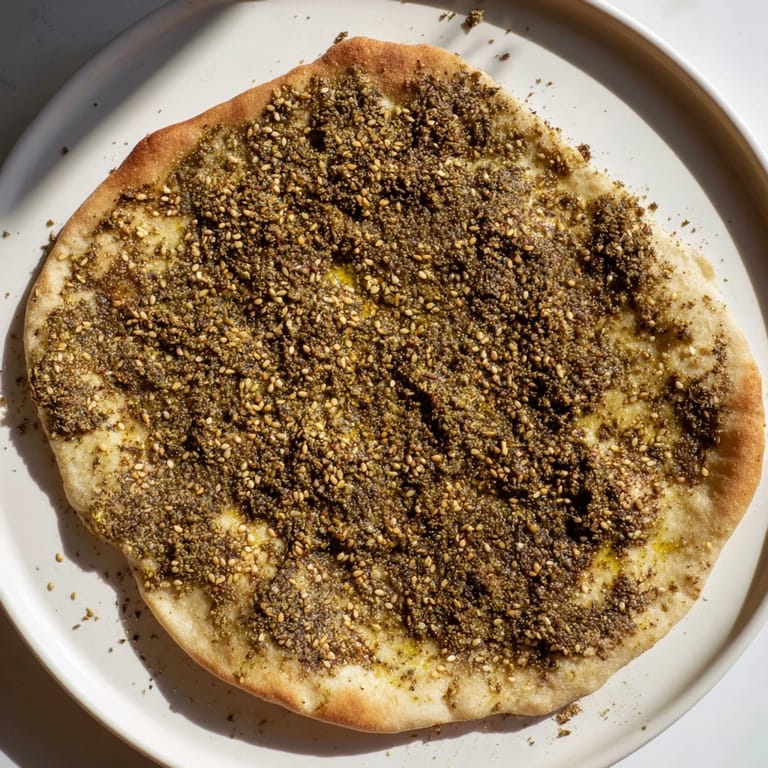
 One evening I made these for my family and forgot to set a timer. I smelled the toasted sesame just in time and pulled them out with seconds to spare. Everyone laughed at my panic, but we still devoured every piece while sitting around the table, dipping the warm bread into olive oil and za'atar. It's those small, imperfect moments that make a recipe feel like home.
How to Store and Reheat
Once the flatbreads cool completely, stack them with parchment paper between each layer and store in an airtight container or resealable bag. They'll stay fresh at room temperature for two days, or you can refrigerate them for up to five days. To reheat, wrap in foil and warm in a 180°C (350°F) oven for about 5 minutes, or toast them directly in a dry skillet for a minute on each side to bring back the crisp edges.
Variations to Try
You can fold crumbled feta or shredded mozzarella into the zaatar paste for a richer, creamier topping. If you like heat, mix in a pinch of Aleppo pepper or red chili flakes before spreading. For a sweeter twist, drizzle a little honey over the top right after baking, which plays beautifully against the savory herbs. I've also brushed the dough with garlic-infused olive oil before adding the zaatar, and it brought a whole new layer of flavor.
Serving Suggestions
These flatbreads shine alongside a mezze spread with hummus, baba ganoush, tabbouleh, and pickled vegetables. You can also tear them into strips and use them to scoop up creamy labneh or tangy yogurt dips. For a light meal, top each round with sliced tomatoes, cucumbers, and fresh mint after baking. They pair wonderfully with grilled chicken, lamb kebabs, or a simple lentil soup on a cool evening.
- Serve warm with a side of za'atar-spiced olive oil for dipping.
- Pack them in a lunch box with cheese, olives, and cherry tomatoes for a portable feast.
- Toast leftover pieces and crumble them over salads for a crunchy, herby garnish.
 Save to Pinterest
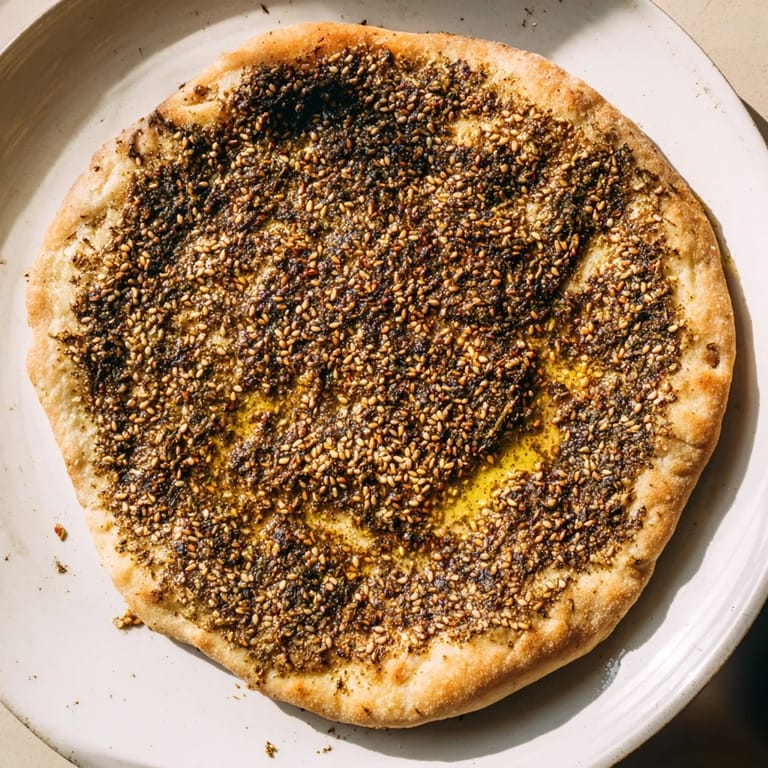
 This bread has become a weekend ritual in my kitchen, something I make when I want the house to smell like comfort and tradition. Whether you're new to baking or you've been kneading dough for years, this recipe will reward you with something warm, fragrant, and worth sharing.
Recipe FAQs
- → What is the best flour for this flatbread?
All-purpose flour provides the right balance for a soft yet sturdy flatbread texture.
- → How do I get the dough to rise properly?
Place the dough in a warm, draft-free spot covered with a damp cloth until it doubles in size, about 1 hour.
- → Can I add extra spices to the topping?
Yes, a pinch of chili flakes adds a nice kick without overpowering the zaatar blend.
- → What temperature is ideal for baking?
Bake at 220°C (425°F) to achieve a golden crust and crisp edges within 12-15 minutes.
- → What are good pairings for this flatbread?
Serve with labneh, olives, hummus, baba ganoush, or fresh vegetables for complementary flavors.