 Save to Pinterest
 The first time I bit into a proper pastilla, I was sitting in a riad in Marrakech, steam rising from the golden pastry, and I couldn't quite figure out what I was experiencing—sweet and savory dancing together, crispy phyllo giving way to spiced meat and silky eggs. Years later, I tried making it at home on a whim, thinking it would be impossible without a Moroccan grandmother in my kitchen, but something clicked that afternoon: the layering, the care, the way the phyllo puffed up in the oven like it was coming alive. Now it's become my show-off dish, the one that makes people pause mid-bite and ask how I learned to make something this intricate.
I made this for a dinner party last spring when my friend mentioned she'd never had Moroccan food, and watching everyone go quiet the moment they tasted it was worth the 45 minutes of focused work. One guest actually asked for the recipe three times—once at dinner, once by text the next morning, and again a month later when she finally attempted it herself.
Ingredients
- Bone-in chicken thighs (1.5 lbs): They hold their flavor better than breasts and won't dry out during the long simmer; the bones add body to your sauce.
- Onions and garlic (2 medium onions, 3 cloves): These build the aromatic base that makes the whole filling smell like Morocco; don't skip the browning step.
- Olive oil (2 tbsp): Use a good one here—it carries the spice flavors and adds richness to the filling.
- Warm spice blend (ginger, cinnamon, turmeric, black pepper, nutmeg): Toast these mentally as you add them so you're awakening their oils; the combination is what makes pastilla unmistakably Moroccan.
- Saffron threads (1/2 tsp, optional but encouraged): If you have it, soak it in warm water first—the color and subtle earthiness elevate the whole dish.
- Chicken stock (2 cups): This becomes your sauce; using homemade stock makes a real difference but good store-bought works too.
- Toasted almonds and fresh herbs (1/2 cup almonds, 1/3 cup parsley, 1/4 cup cilantro): The almonds add textural contrast and the herbs brighten everything at the last moment.
- Eggs (6 large): These soften the filling and add a luxurious creaminess that balances the meat and spices.
- Phyllo pastry (10 sheets): Handle it gently, keep unused sheets under a damp towel, and don't worry if a sheet tears—overlap and butter fixes most mistakes.
- Unsalted butter (1/2 cup melted for assembly): This is what makes phyllo shatter beautifully; brush it generously between each layer.
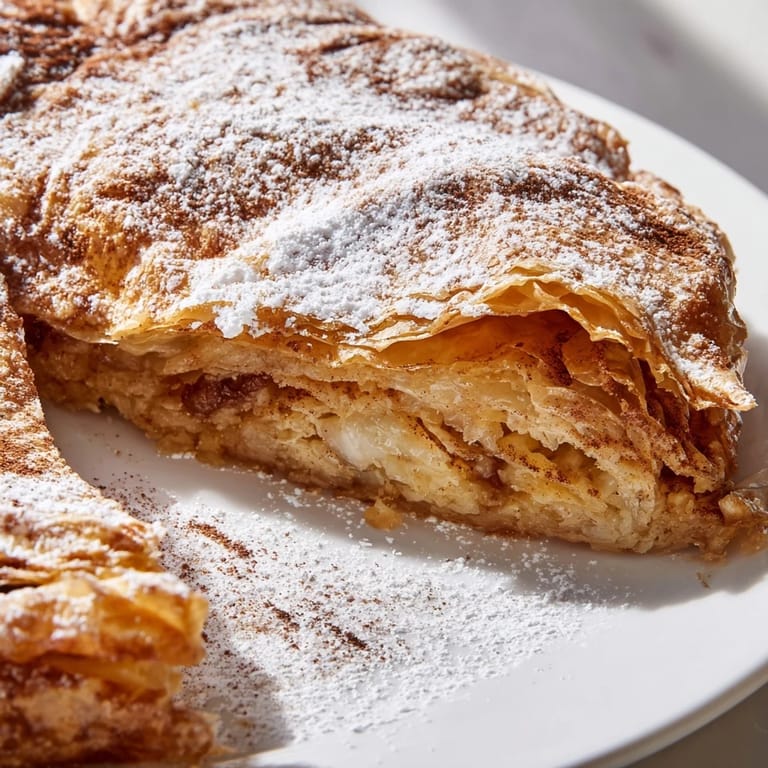
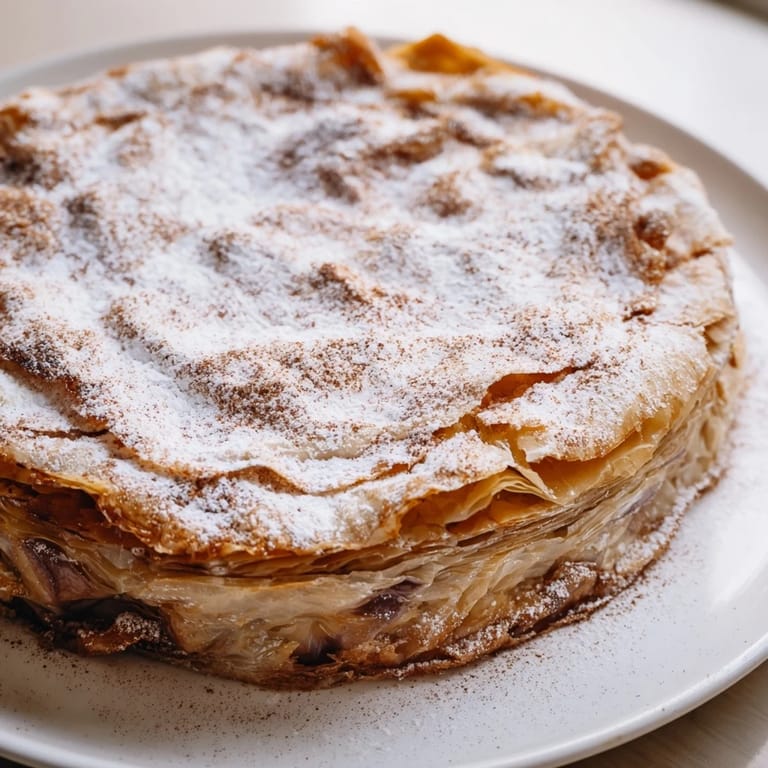
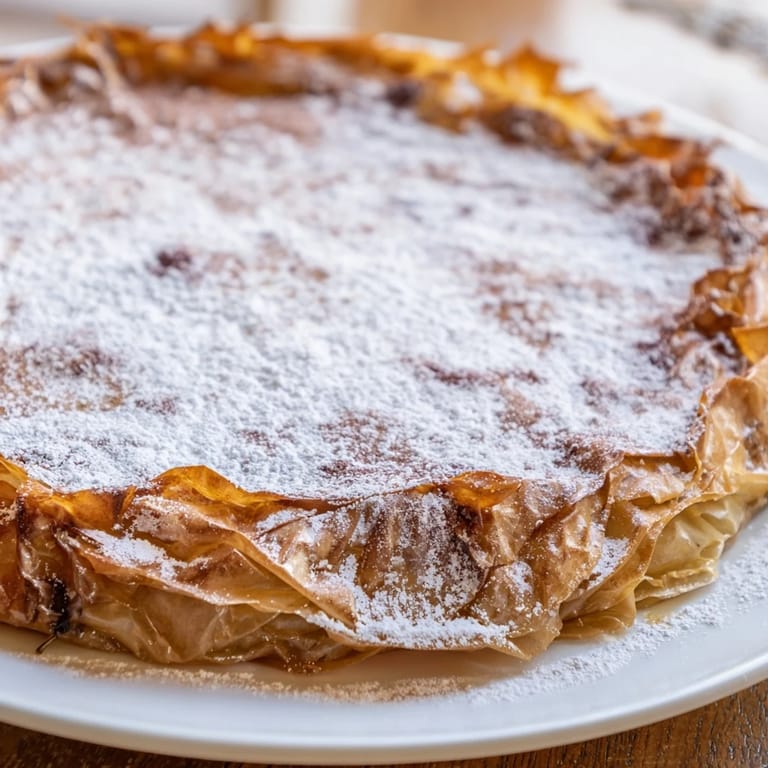
- Powdered sugar and cinnamon (1/2 cup sugar, 2 tsp cinnamon): This sweet-savory finish is the signature move; dust it just before serving so it catches the light.
Tired of Takeout? 🥡
Get 10 meals you can make faster than delivery arrives. Seriously.
One email. No spam. Unsubscribe anytime.
Instructions
- Heat your Dutch oven and build the base:
- Warm the olive oil over medium heat, then add the onions and garlic, stirring until they turn translucent and smell irresistible. This takes about 4 minutes and sets the whole tone for what comes next.
- Toast the spices into the chicken:
- Add the chicken thighs to the pan along with ginger, cinnamon, turmeric, pepper, nutmeg, saffron if using, and salt, letting everything brown together for about 5 minutes. You're not just cooking here—you're waking up the spices so they release their fragrance.
- Braise low and slow:
- Pour in the chicken stock, cover the pot, and simmer for 30–35 minutes until the chicken is fall-apart tender. This patient cooking develops flavor that rushed cooking can't touch.
- Shred and reduce:
- Remove the chicken, let it cool enough to handle, then shred the meat and discard bones and skin. Meanwhile, increase the heat and reduce the braising liquid to about 1 cup—you want it slightly thickened but still pourable.
- Bring it all together:
- Return the shredded chicken to the pot, stir in the parsley, cilantro, and toasted almonds, then let it cool completely. This step matters because folding warm filling into eggs is messy; cool filling folds in cleanly.
- Scramble the eggs gently:
- Melt butter in a separate pan over medium-low heat, beat the eggs with salt, add them to the pan, and stir slowly, removing the pan from heat while the eggs are still slightly underdone. They'll continue cooking as they sit and will fold into the filling without becoming rubbery.
- Fold eggs into filling:
- Once the eggs have cooled a bit, fold them into the chicken mixture with a rubber spatula—this is your signal that you're close to assembly.
- Preheat and butter your pan:
- Set the oven to 375°F and brush your 10-inch baking dish or springform pan generously with melted butter. This prevents sticking and is the first step toward crispness.
- Layer the phyllo base:
- Lay down 5 sheets of phyllo, brushing each one thoroughly with butter and letting the edges overhang the pan like a nest. Work quickly but without panic—phyllo tears are fine; overlap the damaged spot with another buttered sheet.
- Add the filling:
- Spread the chicken and egg mixture evenly inside the phyllo nest, then fold the overhanging edges up and over the top like you're wrapping a present.
- Top with phyllo:
- Layer the remaining 4 sheets on top, brushing each with butter, tucking the edges down into the sides of the pan as you go. Top with one final sheet, buttered, to create a sealed golden top.
- Bake until golden:
- Bake for 35–40 minutes until the pastry is deeply golden and sounds crisp when you tap it. You'll smell the butter and phyllo toasting, which is your cue that it's almost done.
- Rest and dust:
- Let the pastilla rest for 10 minutes—this helps it hold together when you slice it. Just before serving, dust the top generously with powdered sugar and cinnamon so the sweet and savory contrast is unmissable.
 Save to Pinterest
 I remember my neighbor tasting this for the first time and her eyes went wide at that moment when sweet and savory hit her tongue at the same time—that's when I knew I'd nailed it. Since then, it's become the dish I make when I want to feel connected to something larger than myself, something that bridges continents and centuries in a single bite.
The Sweet-Savory Story Behind Pastilla
Pastilla is a dish steeped in Moroccan history, born from the blend of Berber, Arab, and Andalusian influences that shaped the country's cuisine. The combination of meat, eggs, almonds, and that final dusting of powdered sugar and cinnamon is deliberate—it reflects a time when spices were wealth and sweets were celebration. Making it is like holding that history in your hands, layer by buttery layer.
Phyllo Mastery: The Secret to Crispy Perfection
The first time I worked with phyllo, I was terrified—those paper-thin sheets seemed impossibly delicate. Then I realized that phyllo is actually quite forgiving if you approach it with butter as your ally. The key is keeping unused sheets covered with a damp towel so they don't dry out, and brushing each layer with butter like you're painting, not drenching. Once I understood that phyllo's crispness comes from the butter, not from speed or perfection, everything clicked.
Make It Your Own
While this recipe honors the traditional pastilla, I've learned that home cooking is about making dishes your own within the spirit of authenticity. Some cooks add a handful of chopped dried apricots or dates to the filling for extra sweetness, while others layer in a few toasted pistachios for a different texture. The beauty of pastilla is that it's flexible enough to adapt to what you have on hand while remaining unmistakably itself.
- Swap the chicken for squab or Cornish hen if you're feeling adventurous—they're traditionally used and add a richer, deeper flavor.
- Add dried apricots, dates, or even a sprinkle of orange zest to the filling if you want to lean into the sweet-savory aspect even more.
- Serve it alongside a crisp Moroccan salad and hot mint tea for the full experience—this dish deserves proper accompaniments.
 Save to Pinterest
 This pastilla never fails to remind me why I love cooking—it demands your presence, rewards your care, and delivers something so beautiful and unexpected that it transcends being just dinner. Make it for someone you want to impress, or make it just for yourself on a quiet evening.
Recipe FAQs
- → What spices are used in the filling?
The filling combines ground ginger, cinnamon, turmeric, black pepper, nutmeg, and optionally saffron to create its distinctive aromatic profile.
- → Can I substitute chicken with other meats?
Yes, traditional pastilla often uses pigeon, but chicken is a common and practical substitute. Squab or Cornish hen also work well.
- → How is the phyllo pastry prepared for baking?
Phyllo sheets are brushed with melted butter and layered carefully in the baking dish to create a crisp and flaky crust that encases the filling.
- → What gives pastilla its sweet-savory flavor?
The unique combination of spiced meat filling paired with a dusting of powdered sugar and cinnamon on top creates a balanced sweet-savory taste.
- → Are there any common allergens in this dish?
Yes, it contains wheat from phyllo, eggs, dairy from butter, and tree nuts like almonds, so caution is advised for those with allergies.
- → How long does the dish take to cook fully?
The entire process, including preparation and baking, takes about 1 hour and 45 minutes.