 Save to Pinterest
 My neighbor showed up one afternoon with a container of hummus that tasted nothing like the bland store-bought tubs I'd been settling for. She said she'd thrown in some roasted peppers she had left over from dinner, and it completely changed everything. The color was this gorgeous coral-orange, and the flavor had a subtle sweetness that made me reach for the spoon again and again. I asked for the recipe immediately, and she laughed because there wasn't really a recipe—just instinct and good timing.
I started making this for every gathering after that conversation, and it became the thing people asked me to bring. One time I forgot to peel the pepper skins completely and left a few charred bits in the mix. No one noticed, or maybe they did and liked the extra smoky edge. Either way, it reminded me that recipes don't have to be precious to be loved.
Ingredients
- Red bell peppers: Fresh ones give you control over the char and sweetness, but jarred roasted peppers work beautifully when you're short on time and they're already peeled.
- Garlic clove: Just one small clove is enough, raw garlic can overpower the peppers if you're not careful, so start conservatively.
- Chickpeas: Drain and rinse them well to avoid any tinny aftertaste from the can liquid, it makes a noticeable difference in the final flavor.
- Tahini: This is the creamy backbone of the hummus, stir it well before measuring because the oil separates and you want it evenly blended.
- Extra-virgin olive oil: Use a good one for drizzling at the end, it sits on top and delivers flavor in every bite.
- Lemon juice: Freshly squeezed is worth it here, the brightness cuts through the richness and wakes up the peppers.
- Ground cumin: A half teaspoon adds warmth without taking over, it should hum quietly in the background.
- Smoked paprika: Optional but highly recommended if you want to lean into that campfire-kissed flavor.
- Salt: Start with half a teaspoon and adjust after blending, every brand of canned chickpeas has a different salt level.
- Cold water: This is your texture dial, add it slowly until the hummus is as creamy as you like.
Tired of Takeout? 🥡
Get 10 meals you can make faster than delivery arrives. Seriously.
One email. No spam. Unsubscribe anytime.
Instructions
- Roast the peppers:
- If you're using fresh peppers, cut them in half and lay them skin side up on a baking sheet, then roast at 425°F until the skins blister and char in spots. Once they're done, cover them with a towel or put them in a bowl with a lid so the steam helps the skins slip right off.
- Blend the base:
- Toss the peeled peppers into the food processor along with the chickpeas, tahini, lemon juice, garlic, olive oil, cumin, smoked paprika, and salt. Let the machine run until everything is broken down and starting to look creamy.
- Adjust the texture:
- With the motor running, drizzle in cold water one tablespoon at a time until the hummus reaches that smooth, scoopable consistency you're after. Scrape down the sides once or twice to make sure nothing gets left behind.
- Taste and tweak:
- This is where you make it yours, add more lemon if you want brightness, more salt if it tastes flat, or another pinch of cumin if you want depth.
- Serve it up:
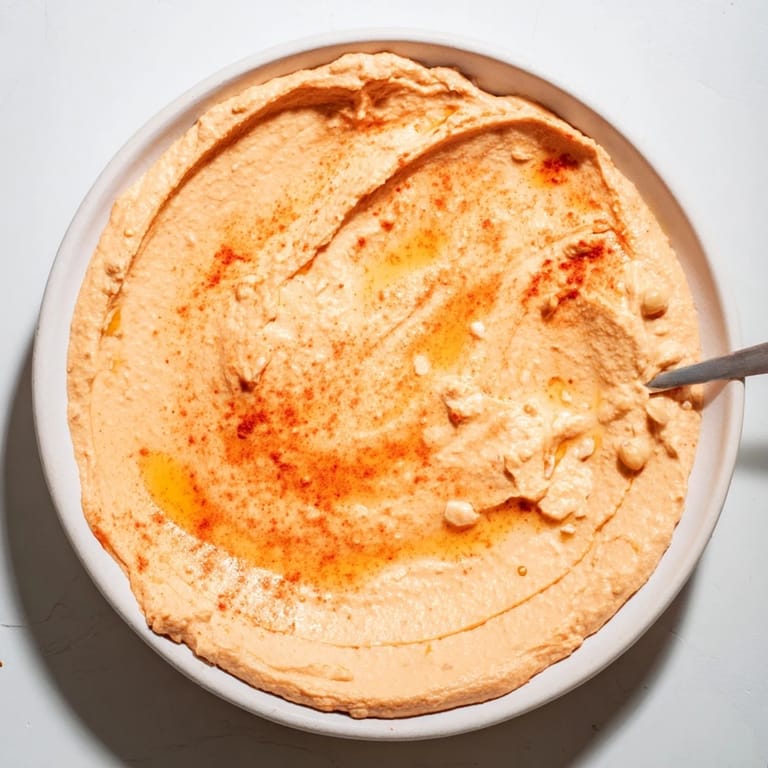
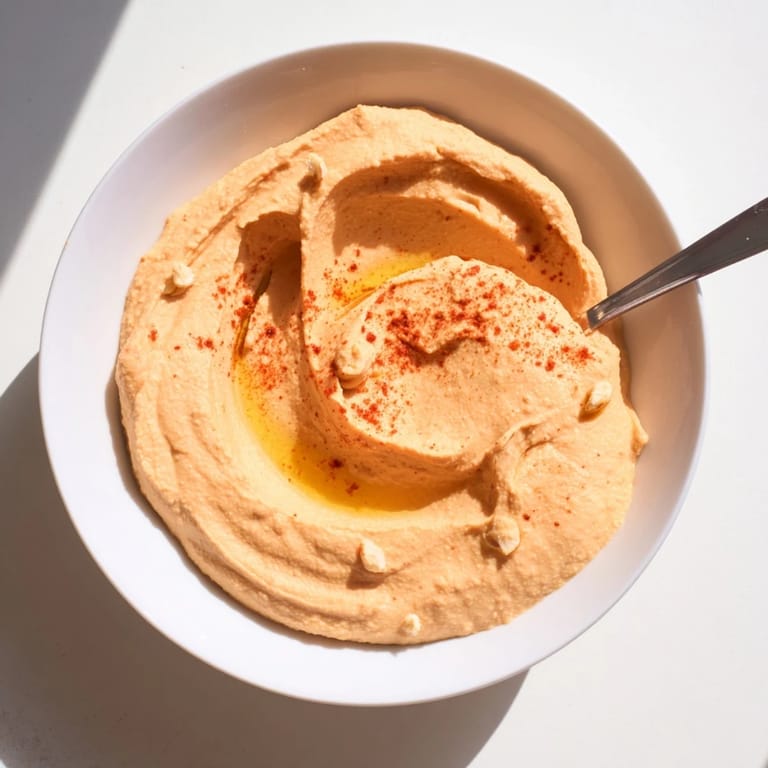
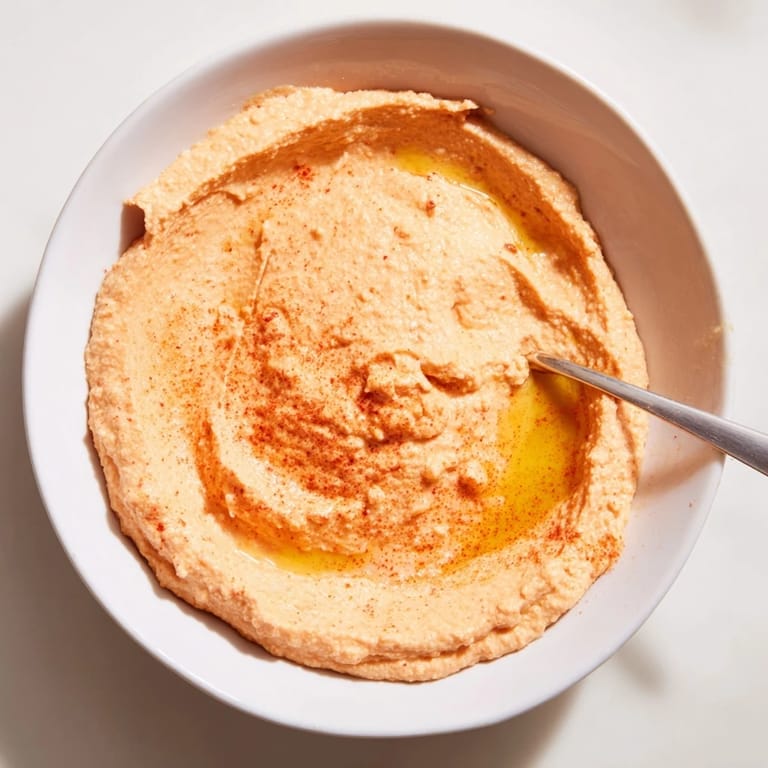
- Spoon the hummus into a shallow bowl and use the back of the spoon to make a little well in the center. Drizzle olive oil into that well and dust with smoked paprika or fresh parsley if you have it.
 Save to Pinterest
 The first time I served this at a potluck, someone asked if I'd bought it from a specialty shop. I didn't correct them right away because it felt nice to know that something I made in my tiny kitchen could taste that intentional. Later I admitted it was homemade, and by then half the bowl was already gone.
Storing and Keeping It Fresh
This hummus keeps well in the fridge for up to five days in an airtight container. I like to pour a thin layer of olive oil over the top before sealing it, which prevents the surface from drying out. When you're ready to serve it again, just stir that oil back in and it'll taste as fresh as the day you made it.
Customizing the Flavor
Once you get comfortable with the base recipe, it's easy to play around with the flavors. A pinch of cayenne or a few dashes of hot sauce will give it a gentle kick, or you can swap the smoked paprika for regular paprika if you prefer a sweeter, less smoky profile. Roasted garlic instead of raw gives it a mellow, caramelized sweetness that's especially nice if you're serving it to people who are sensitive to raw garlic's bite.
Serving Suggestions
I've served this hummus with warm pita triangles, sturdy crackers, and piles of raw vegetables like carrots, cucumbers, and bell pepper strips. It also makes an excellent sandwich spread, especially on whole grain bread with avocado and sprouts. If you're putting together a mezze platter, set it out alongside olives, feta, and some marinated artichokes for a spread that feels generous and unhurried.
- Warm the pita bread just before serving so it's soft and slightly charred at the edges.
- Try it as a base for grain bowls, it adds creaminess and a boost of protein without any heaviness.
- Leftovers are perfect for a quick lunch, just smear some on toast and top with a fried egg.
 Save to Pinterest
 This hummus has become one of those recipes I don't think about too hard anymore, my hands just know what to do. It's the kind of dish that makes people feel welcome, and that's worth more than any fancy technique.
Recipe FAQs
- → Can I use jarred roasted red peppers instead of fresh?
Yes, jarred roasted red peppers work perfectly and save time. Use 1 cup drained jarred peppers to replace 2 fresh medium peppers, skipping the roasting step entirely. Your hummus will be ready in just 10 minutes.
- → How do I store hummus and how long does it keep?
Store in an airtight container in the refrigerator for up to 5 days. Cover the surface with a thin layer of olive oil to prevent it from drying out. You can also freeze hummus for up to 3 months, though texture may be slightly less creamy after thawing.
- → What can I serve with this hummus?
Serve with warm pita bread, crackers, fresh vegetable crudités like carrots, cucumbers, and bell peppers, or use as a sandwich spread. It's also excellent on a mezze platter alongside olives, feta cheese, and fresh herbs.
- → How do I achieve the smoothest texture?
A food processor yields the creamiest results. Blend for 3-5 minutes, scraping down sides frequently. Add cold water gradually, 1 tablespoon at a time, to reach your desired consistency without making it too thin.
- → Can I make this less garlicky?
Use only half a garlic clove, or substitute with roasted garlic for a milder, sweeter flavor. Roasted garlic blends more smoothly and imparts a softer taste than raw garlic.
- → What variations can I try?
Add cayenne pepper for heat, fresh herbs like cilantro or parsley for brightness, or swap half the chickpeas for white beans for different texture. A pinch of smoked paprika intensifies the roasted pepper flavor.