 Save to Pinterest
 The first time I made this was on a Wednesday when my fridge was practically bare—just some cherry tomatoes, a block of feta, and half a zucchini staring back at me. I'd seen the viral videos, the creamy, golden cheese pulling through pasta like something from a dream, but I wanted something that didn't feel heavy. So I threw vegetables on a pan, let them caramelize into something almost jammy, and watched as that feta block softened into the most luxurious sauce I'd ever made without cream. It became the recipe I kept coming back to, the one I started making when friends dropped by unexpectedly.
I made this for my sister during a lazy Sunday afternoon, and she literally asked for the recipe before the last bite was gone. That moment when someone pushes their plate back and just looks at you in amazement—that's when you know a recipe has staying power. She's made it probably twenty times since, tweaking it with whatever vegetables she finds at the market.
Ingredients
- Reduced-fat feta cheese, 200 g: A whole block is non-negotiable here; it melts into this creamy, dreamy sauce rather than crumbling. Don't crumble it yourself—let the oven do the work.
- Cherry tomatoes, 400 g, halved: They burst and caramelize into sweet little pockets of flavor. If they're not ripe, your dish will taste thin.
- Medium zucchini, diced: It becomes soft and almost custard-like when roasted, absorbing all those salty, herby flavors around it.
- Red bell pepper, diced: Adds sweetness and color without overpowering the other vegetables.
- Small red onion, sliced: The sharpness mellows out as it roasts, becoming almost sweet and jammy.
- Garlic, 2 cloves, minced: Added after roasting so it doesn't scorch—fresh garlic aroma right when everything comes together.
- Extra-virgin olive oil, 2 tbsp: Quality matters here; this is your fat and flavor base.
- Dried oregano, 1 tsp: Mediterranean herbs are the backbone of this dish.
- Crushed red pepper flakes, ½ tsp (optional): Just enough heat to make your taste buds sit up and pay attention.
- Salt and freshly ground black pepper, to taste: Always finish with these, after tasting.
- Fresh basil leaves, to serve: The bright, final note that makes it feel special and intentional.
- Whole-grain penne or fusilli, 300 g: The texture holds onto the sauce better than delicate pasta shapes.
Tired of Takeout? 🥡
Get 10 meals you can make faster than delivery arrives. Seriously.
One email. No spam. Unsubscribe anytime.
Instructions
- Get your oven ready:
- Preheat to 200°C (400°F) while you chop. This matters more than you think—a hot oven is what turns those vegetables into little caramelized jewels.
- Build your vegetable base:
- Toss cherry tomatoes, zucchini, bell pepper, and red onion together in a large baking dish with olive oil, oregano, red pepper flakes, salt, and pepper. Make sure everything gets a good coating of oil; this is what prevents sticking and encourages browning. The vegetables should smell fragrant and herbaceous.
- Crown it with feta:
- Set that feta block right in the center like it owns the place. Give it a light drizzle of olive oil on top—this helps it brown evenly and become that golden, creamy dream.
- Let it roast:
- Into the oven for 25–30 minutes. You'll know it's done when the vegetables are caramelized at the edges and the feta is golden and jiggles slightly when you shake the dish.
- Cook the pasta:
- While everything roasts, get a large pot of salted water boiling and cook your whole-grain pasta according to package directions. Before draining, reserve about ½ cup of that starchy pasta water—it's liquid gold for tossing.
- Finish the sauce:
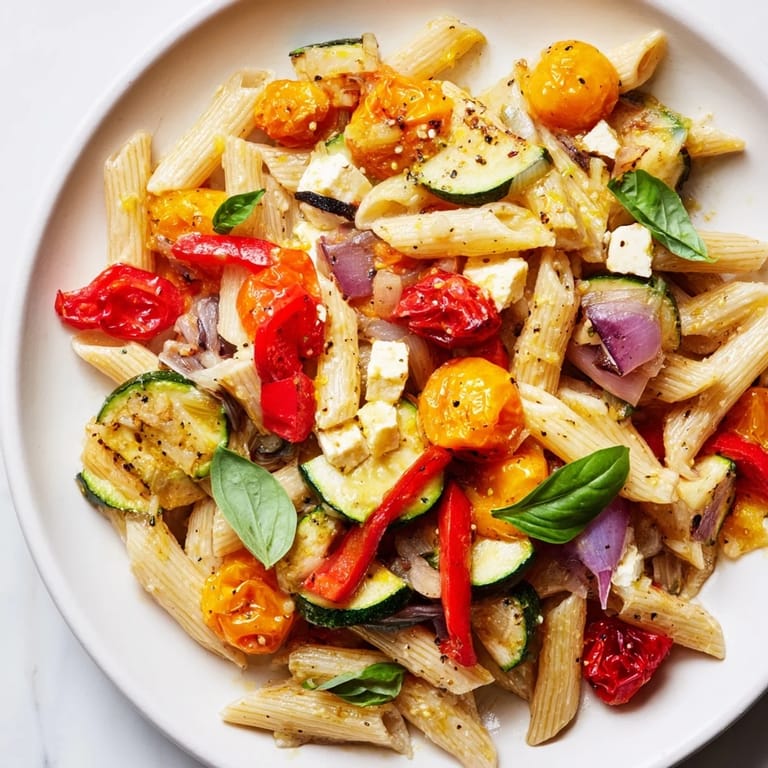
- Pull the baking dish out, add minced garlic, and gently mash the feta into the hot vegetables. You want creamy and combined, not smooth—there should still be soft vegetable pieces visible.
- Bring it all together:
- Add the drained pasta and a splash of reserved pasta water, then toss gently until the pasta is coated in that creamy, vegetable-studded sauce. Add more pasta water if needed to loosen it up.
- Serve and celebrate:
- Straight from the baking dish if you're being casual, or onto individual plates with fresh basil scattered over top.
 Save to Pinterest
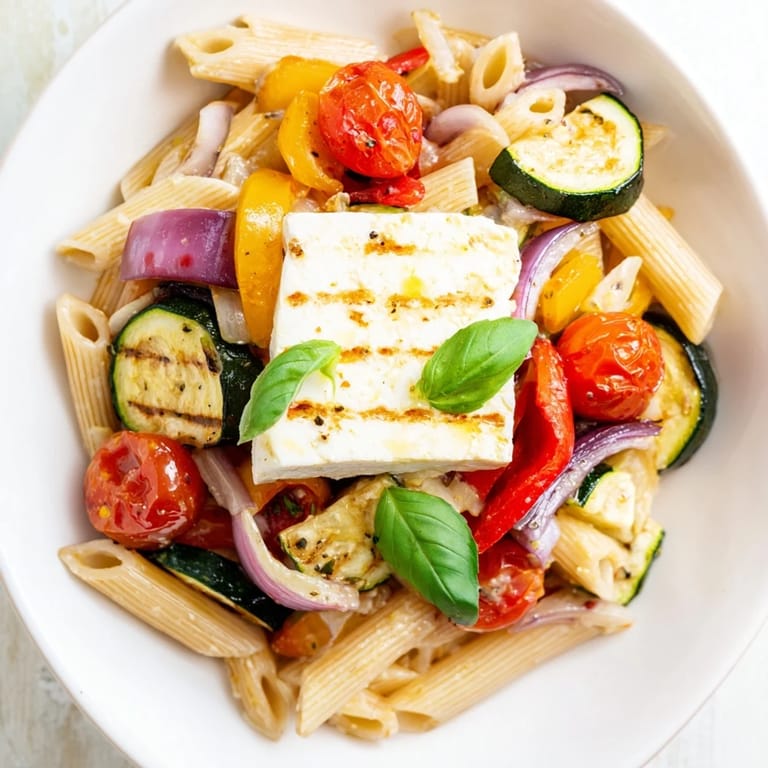
 There's something about watching a block of cheese transform into sauce without any cream or flour—it's almost like kitchen magic. The first time the pasta twirled onto my fork and it was completely coated in this rich, creamy mixture, I realized I'd found something special.
Why This Works as a Lighter Dish
The whole-grain pasta adds real substance and fiber, so you're not left feeling like you need a nap an hour later. The roasted vegetables do most of the heavy lifting flavor-wise, which means the feta (though creamy) doesn't need to carry the whole show. You get that viral-worthy richness everyone craves, but it's built on vegetables and whole grains, not cream and butter. It's generous but balanced, indulgent but honest.
How to Make It Your Own
The beauty of this recipe is how flexible it becomes once you understand the formula. In summer, I go heavy on cherry tomatoes and add fresh corn. In fall, roasted eggplant and spinach feel right. Winter calls for diced butternut squash and kale. The feta and pasta stay constant, but the vegetables shift with what I find at the market and what my body seems to want that season. Some weeks I add white beans or drained chickpeas for extra protein—they roast right alongside the vegetables and soak up all that herby, salty flavor.
The Small Details That Matter
I've learned that the vegetables should be roughly the same size so they roast evenly—no tiny pieces burning while the larger ones are still raw. The oven should be properly preheated; if it's not hot enough, you'll steam instead of caramelize, and that's the whole point. And timing the garlic addition to right before serving keeps it fresh and fragrant rather than cooked into mildness. These aren't glamorous lessons, but they're the ones that separate a good version of this from an extraordinary one.
- Taste your finished dish before plating and adjust salt and pepper—the pasta water added at the end can dilute flavors.
- If you have good quality olive oil, save some to drizzle over the top just before serving for a final richness.
- Fresh basil makes a real difference, but even dried or fresh oregano scattered on top adds the right finishing touch.
 Save to Pinterest
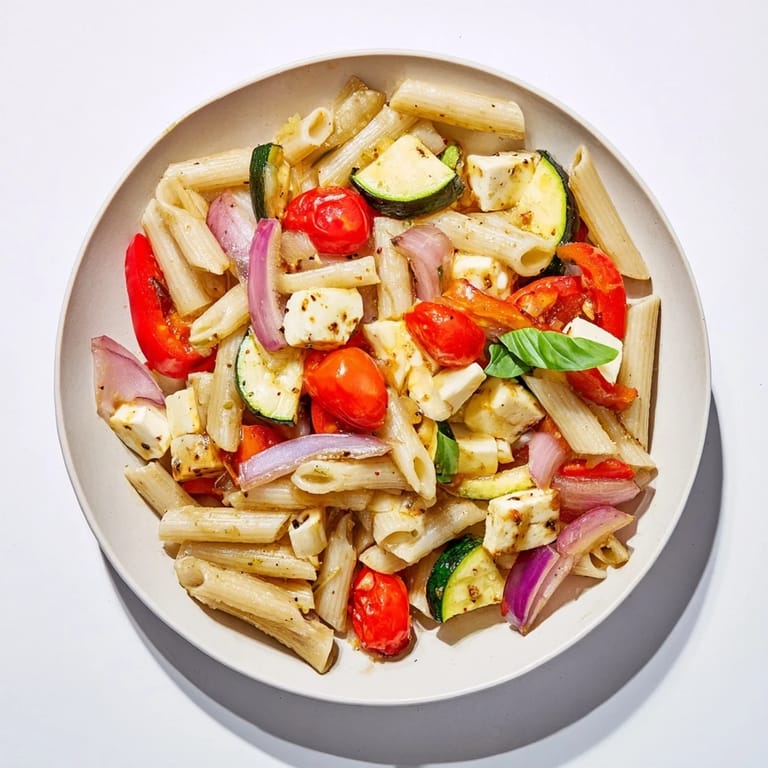
 This recipe has become my go-to for nights when I want something that tastes restaurant-quality but doesn't demand much from me. It's the kind of food that brings people together without fanfare—simple, honest, and somehow always exactly what everyone needed to eat.
Recipe FAQs
- → What pasta type works best for this dish?
Whole-grain penne or fusilli are ideal for holding the baked feta sauce, offering a hearty texture and wholesome flavor.
- → Can I use full-fat feta instead of reduced-fat?
Yes, full-fat feta can be used for a richer taste, though reduced-fat keeps the dish lighter without sacrificing creaminess.
- → How do the roasted vegetables contribute to the dish?
Roasting caramelizes the vegetables, intensifying their sweetness and blending perfectly with the creamy melted feta.
- → Is it possible to make this dish gluten-free?
Absolutely. Simply swap the whole-grain pasta with certified gluten-free varieties to maintain texture and flavor.
- → What herbs best complement the baked feta pasta?
Oregano during roasting and fresh basil at the end add aromatic notes that enhance the Mediterranean flavor profile.