 Save to Pinterest
 Last autumn, as the first real chill settled over our neighborhood, I found myself staring at a bundle of forgotten carrots in my vegetable drawer. The rain tapped against the kitchen window while I rummaged for ingredients, discovering a can of coconut milk pushed to the back of my pantry. Something about the vibrant orange carrots against the creamy white coconut inspired me to experiment, and this soup was born from that rainy afternoon improvisation.
My neighbor Sarah dropped by unexpectedly while this soup was simmering on the stove last winter. The aroma of spices and coconut had filled every corner of my small apartment. She arrived looking frozen and defeated after a rough day at work, but after one bowl of this vibrant soup, her shoulders relaxed and color returned to her cheeks. We ended up talking for hours at my kitchen table, the soup becoming a silent third participant in our heart-to-heart.
Ingredients
- Carrots: Try to find the sweetest, freshest carrots you can - those early spring carrots with their tops still attached tend to have the most vibrant flavor and color.
- Coconut Milk: Full-fat coconut milk creates a velvety texture that makes this soup feel like a luxurious treat, though I have made it with light coconut milk when trying to be more health-conscious.
- Ground Ginger: While convenient, if you can manage fresh ginger, it adds a zingy brightness that takes this soup to another level.
- Potato: This humble addition is actually my secret weapon for creating silky texture without heavy cream.
- Lime Juice: A final squeeze brightens everything and cuts through the richness in the most perfect way.
Tired of Takeout? 🥡
Get 10 meals you can make faster than delivery arrives. Seriously.
One email. No spam. Unsubscribe anytime.
Instructions
- Start with aromatics:
- Heat the olive oil until it shimmers, then add your chopped onion and let it soften slowly until translucent. Your kitchen will start filling with that comforting savory scent that signals good things are coming.
- Build the flavor base:
- When you add the garlic and ginger, take a moment to lean in and breathe deeply as they release their fragrance. This brief moment of heat wakes up their essential oils before adding the vegetables.
- Introduce the vegetables:
- As the carrots and potato tumble into the pot, I love watching the bright orange pile grow. Give them a few minutes to mingle with the aromatics and begin absorbing those flavors.
- Spice it up:
- The warming spices should coat everything evenly, creating little pockets of flavor throughout the soup. I like to stir for about 30 seconds to toast the spices slightly before adding liquid.
- Simmer patiently:
- This is where magic happens slowly as the vegetables soften and release their sweetness into the broth. You want the carrots completely tender when pierced with a fork, with no resistance at all.
- Add creaminess:
- Watch how the coconut milk transforms the soup as you pour it in, creating beautiful swirls before it fully incorporates. Keep the heat gentle here to preserve the coconut flavor.
- Blend to perfection:
- I find immersion blenders less fussy, but either method works to create that silky texture we want. Blend a bit longer than you think necessary for the absolute smoothest result.
- Finish with brightness:
- The final seasoning is crucial - taste and adjust salt, pepper, and especially that squeeze of lime which balances everything. This is your moment to make it perfect for your palate.
 Save to Pinterest
 One particularly memorable evening, I served this soup to friends who had just returned from a long, cold hiking trip. They arrived at my door with windburned cheeks and tired eyes, but the moment I placed steaming bowls before them, the room filled with appreciative murmurs. Nobody spoke much for those first few minutes - just the sound of spoons against bowls and contented sighs. Sometimes food speaks its own kind of comfort that words cant match.
Creative Variations
My kitchen experiments have led to several delightful twists on this basic recipe. Adding a tart green apple creates a subtle sweetness that complements the carrots beautifully. For dinner parties, I sometimes swirl in a spoonful of harissa paste for dramatic color and a sophisticated heat that makes guests wonder about my secret ingredient. The most surprising variation came from desperation when I was out of regular onions and used a leek instead - it added a subtle grassiness that now makes regular appearances in my winter versions.
Serving Suggestions
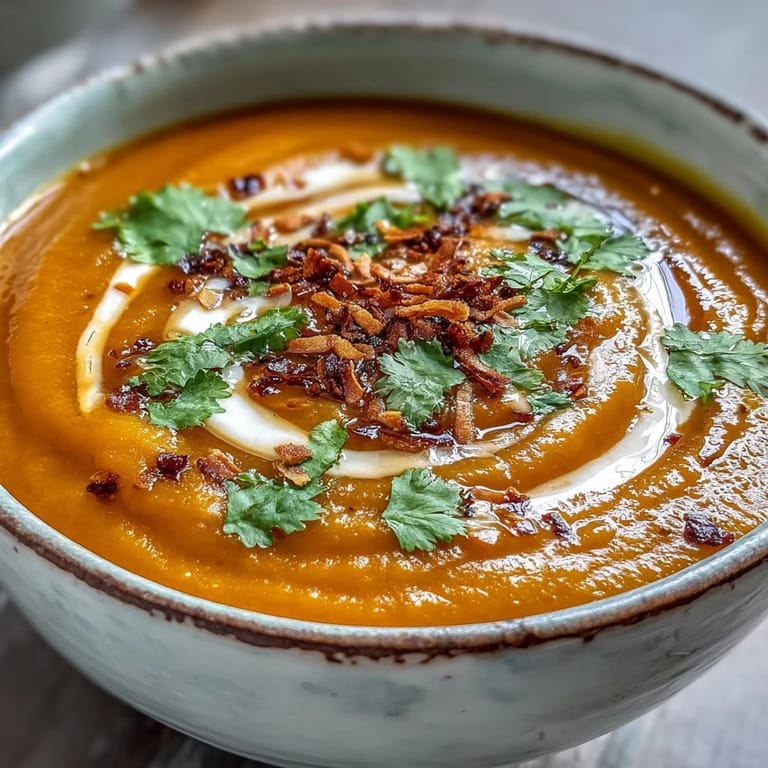
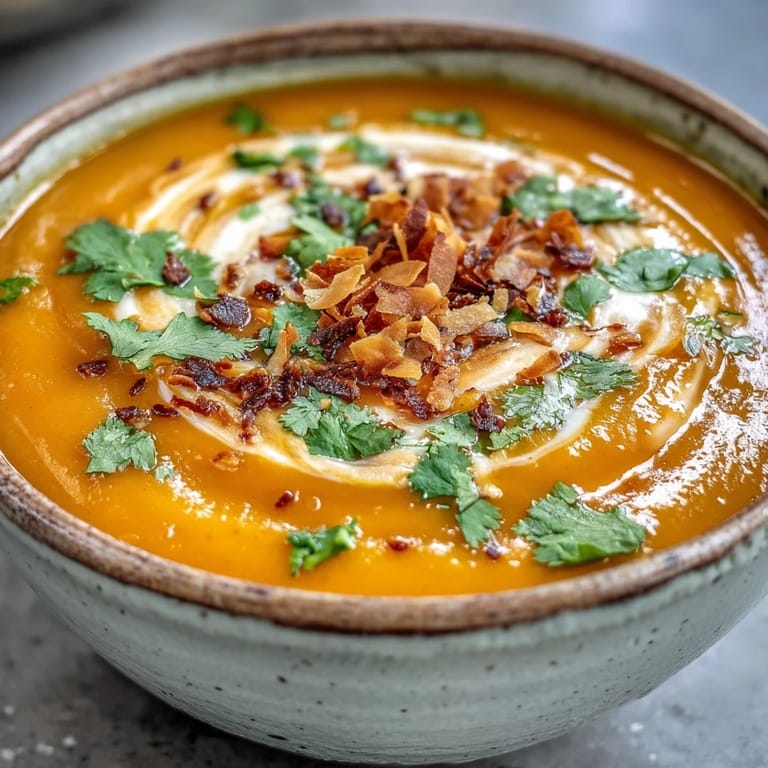
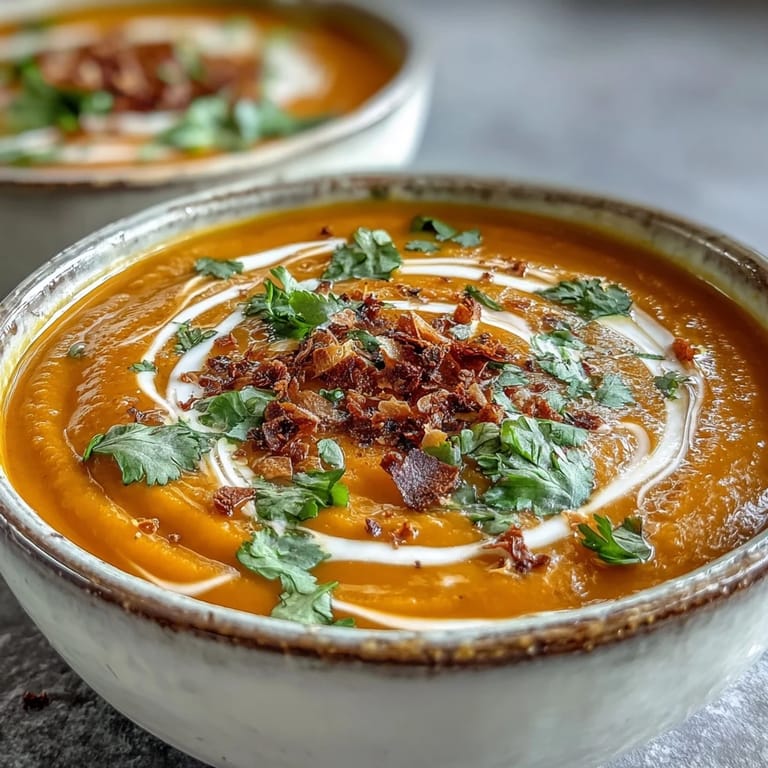
The vibrant orange color of this soup deserves thoughtful presentation. I like serving it in white bowls for maximum visual impact, with careful placement of the garnishes creating little edible art pieces. For casual weeknight dinners, pair it with a grilled cheese sandwich made with sharp cheddar and grainy mustard - the combination of the creamy soup and crispy, tangy sandwich creates perfect balance. When hosting, I serve smaller portions in espresso cups as a stunning appetizer that consistently earns compliments and recipe requests.
Storage and Meal Prep
This soup actually improves with a day or two in the refrigerator as the flavors meld and deepen. I often make a double batch on Sunday afternoons, portioning it into glass containers for easy grabbing throughout the week. The soup freezes beautifully for up to three months, though the texture can be slightly less velvety after thawing.
- For refrigerator storage, cool completely before transferring to airtight containers and consume within 4-5 days.
- When freezing, leave a half-inch headspace in containers to allow for expansion and prevent cracked containers.
- Reheat gently on the stovetop or microwave, adding a splash of water or broth if its thickened too much during storage.
 Save to Pinterest
 This carrot and coconut soup has become my reliable companion through changing seasons and moods. Whether served as a quick weeknight dinner or as the start to a special gathering, it reminds me that sometimes the simplest ingredients can create the most meaningful moments around the table.
Recipe FAQs
- → Can I make this soup ahead of time?
Absolutely. This soup actually tastes better the next day as flavors have time to meld. Store in an airtight container in the refrigerator for up to 4 days. Reheat gently over medium-low heat, stirring occasionally.
- → Is this soup freezer-friendly?
Yes, it freezes beautifully. Cool completely before transferring to freezer-safe containers. Leave some headspace as liquids expand when frozen. Thaw overnight in the refrigerator, then reheat on the stove. The texture may be slightly thicker after freezing—simply add a splash of broth or water when reheating.
- → What can I substitute for coconut milk?
For a lighter version, use half coconut milk and half vegetable broth. Cashew cream or heavy cream work if you don't need the dish to be vegan. Pureed white beans add creaminess with extra protein while maintaining dairy-free status.
- → How do I achieve the smoothest texture?
Blend thoroughly with an immersion blender for 2-3 minutes, or work in batches using a countertop blender. For restaurant-level smoothness, pass the puréed soup through a fine-mesh sieve. Adding the potato helps create natural thickness without heavy cream.
- → What toppings work best with this soup?
Toasted coconut flakes add crunch and amplify the coconut flavor. Fresh cilantro brings brightness, while a squeeze of lime juice cuts through the richness. Extra chili flakes provide heat, crusty bread offers texture contrast, and a dollop of plain yogurt or coconut cream creates beautiful swirls.
- → Can I add protein to make it more filling?
Red lentils cook into the soup seamlessly, adding protein and fiber while thickening the broth. Stir in 1/2 cup dried lentils when adding the broth. Chickpeas, cubed tofu, or shredded chicken also work well as toppings rather than cooked directly into the purée.