 Save to Pinterest
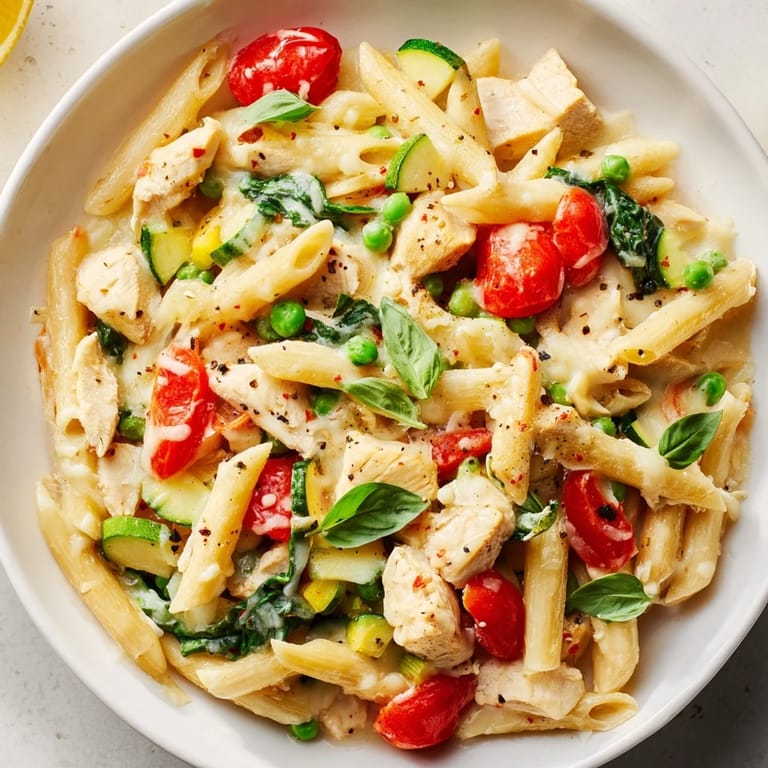
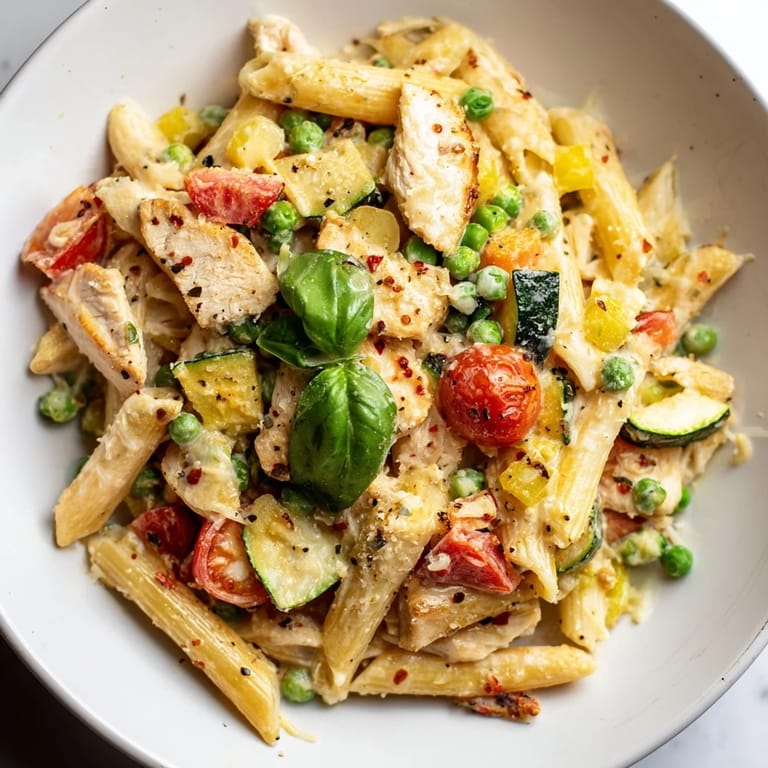
 I was staring into my fridge on a Wednesday night, mentally calculating how many more days until grocery day, when I spotted the half-used bag of penne, a lonely chicken breast, and a drawer full of vegetables I'd bought with good intentions. That's when this pasta was born—not from a cookbook, but from necessity and a refusal to order takeout again. I grabbed everything that made sense, tossed it into one pan, and somehow ended up with something my kids asked for twice that week. It's become my go-to rescue meal, the one I make when the pantry feels bare but I still want something that tastes like I tried.
The first time I served this to friends, I didn't announce it was a pantry-clearing experiment. I just plated it with a little extra basil and lemon zest, and they assumed I'd been planning it all week. One of them even asked for the recipe, which made me laugh because I'd been winging it the whole time. That's the magic of this dish—it looks and tastes intentional, even when it's born from improvisation. Now I make it whenever I need something quick, forgiving, and reliable, and it never lets me down.
Ingredients
- Chicken breast: I dice mine small so it cooks fast and gets a nice golden edge, but leftover rotisserie chicken works beautifully if you're in a rush.
- Pasta: Penne or fusilli are my favorites because their ridges catch the creamy sauce, but honestly any short pasta you have will do the job.
- Cherry tomatoes: They burst when they hit the heat and add little pockets of sweetness that balance the richness of the cream.
- Frozen peas: I keep a bag in the freezer just for moments like this, they thaw in seconds and add a pop of color without any prep.
- Bell pepper: Whatever color you have works, I like red or yellow for sweetness, but green adds a slightly sharper note.
- Zucchini: Slice it thin so it softens quickly and blends into the sauce without getting mushy.
- Spinach: It wilts down to almost nothing, so don't be shy, a big handful disappears into the dish and boosts the nutrition.
- Olive oil: This is your base for building flavor, it helps the garlic bloom and keeps the chicken from sticking.
- Garlic: Fresh is best, it turns sweet and fragrant in the pan and makes the whole kitchen smell like you know what you're doing.
- Italian herbs: Dried works perfectly here, I use a blend of basil, oregano, and thyme for that familiar cozy flavor.
- Canned tomatoes: A pantry hero, they add body and a slight tang that brightens the whole sauce.
- Parmesan: Freshly grated melts smoother and tastes sharper, but the pre-grated stuff from the fridge works in a pinch.
- Mozzarella: It makes the sauce stretchy and mild, balancing the saltiness of the Parmesan.
- Heavy cream: This is what turns everything silky and luxurious, but half and half works if you want something lighter.
- Basil: Fresh leaves torn at the last second add a bright, herbal note that makes the dish feel alive.
- Black pepper: Cracked coarse, it adds a little heat and visual contrast on top.
- Lemon zest: Just a few curls over the finished dish wake everything up and cut through the richness.
Tired of Takeout? 🥡
Get 10 meals you can make faster than delivery arrives. Seriously.
One email. No spam. Unsubscribe anytime.
Instructions
- Boil the pasta:
- Fill your largest pot with salted water and bring it to a rolling boil, then cook the pasta until it still has a little bite. Save half a cup of that starchy water before you drain, it's liquid gold for loosening the sauce later.
- Sear the chicken:
- Heat olive oil in a big skillet over medium high heat, toss in your diced chicken with a pinch of salt and pepper, and let it sizzle untouched for a minute before stirring. When it's golden and cooked through, pull it out and set it aside so it doesn't overcook.
- Soften the aromatics:
- Drop the garlic and bell pepper into the same pan, stirring them around until the garlic smells sweet and the pepper starts to soften at the edges.
- Cook the vegetables:
- Add the tomatoes, zucchini, and herbs, letting everything mingle and release its moisture for a few minutes. The tomatoes will start to collapse and the zucchini will turn tender but not mushy.
- Build the sauce:
- Stir in the canned tomatoes, peas, and spinach, then let it all simmer gently until the spinach wilts and the flavors start to marry.
- Make it creamy:
- Turn the heat down low, add the chicken back in, then pour in the cream and half the cheeses. Stir until everything melts into a smooth, glossy sauce that coats the back of your spoon.
- Toss the pasta:
- Add the drained pasta straight into the skillet and toss it all together, splashing in a little reserved pasta water if the sauce feels too thick. You want every piece of pasta to be slicked with creamy, cheesy goodness.
- Finish and serve:
- Taste it, adjust the salt if needed, then plate it up hot with the remaining cheese, torn basil, cracked pepper, and a shower of lemon zest on top.
 Save to Pinterest
 One evening my daughter came home late from practice, exhausted and starving, and I had this ready in less time than it would have taken to wait for delivery. She sat at the counter, twirling pasta onto her fork, and said it tasted like a hug. That's exactly what this dish is—a little bit of comfort scraped together from whatever you have, turned into something that feels like care. It's proof that you don't need a fully stocked pantry to make something worth remembering.
How to Customize This Recipe
I've made this with shrimp instead of chicken when I had some thawing in the fridge, and it was just as good, maybe even a little more elegant. If you want to keep it vegetarian, skip the meat entirely and toss in a can of drained chickpeas or white beans for protein and texture. You can also swap the mozzarella for crumbled feta if you like a tangier, saltier bite, or use cheddar if that's what you have. This recipe bends to whatever your kitchen offers, and I've never had a version I didn't enjoy.
Storing and Reheating Leftovers
Leftovers keep well in the fridge for up to three days, though the pasta will soak up some of the sauce as it sits. When I reheat it, I add a splash of milk or a spoonful of cream and warm it gently in a skillet over low heat, stirring until it loosens back up. The microwave works too, but the stovetop brings back that just-made creaminess. I've even eaten it cold straight from the container for lunch, and it still tasted good enough that I didn't bother heating it.
What to Serve Alongside
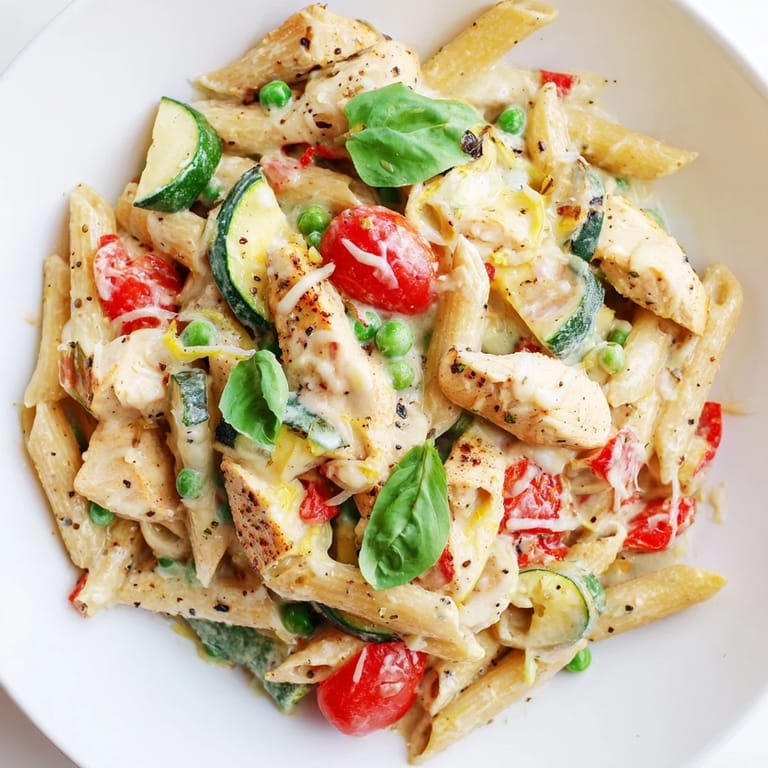
This pasta is hearty enough to stand alone, but I like to serve it with a simple green salad dressed in lemon and olive oil to cut through the richness. Garlic bread is always a crowd pleaser, especially if you have crusty bread that can soak up any extra sauce on the plate. A crisp white wine like Pinot Grigio or Sauvignon Blanc pairs beautifully, though sparkling water with a wedge of lemon works just as well if you're keeping it casual.
- Toss together a quick arugula salad with shaved Parmesan and a squeeze of lemon.
- Warm up some store bought garlic bread or brush baguette slices with butter and toast them.
- Pour a chilled glass of white wine or make a pitcher of lemon water with fresh mint.
 Save to Pinterest
 This recipe has saved me more times than I can count, turning near-empty cupboards into a meal that feels generous and warm. I hope it does the same for you, whenever you need something easy, flexible, and genuinely satisfying.
Recipe FAQs
- → Can I substitute the chicken with other proteins?
Yes, cooked sausage, shrimp, or even chickpeas work well as alternatives to chicken, offering different flavors and textures.
- → What types of pasta are best suited for this dish?
Short pastas like penne or fusilli hold the sauce nicely and complement the mixture of vegetables and proteins.
- → How can I make the sauce creamier without heavy cream?
Using half-and-half or a blend of milk and cheese can lighten the sauce while still providing a creamy texture.
- → What are good vegetable substitutions if I don’t have all listed?
Feel free to use any fresh or frozen vegetables you have, such as broccoli, mushrooms, or carrots; their flavors will meld nicely in the sauce.
- → Is it necessary to reserve pasta water during cooking?
Yes, adding reserved pasta water helps loosen the sauce and allows it to coat the pasta evenly.
- → How to adjust seasoning for best flavor?
Season with salt and pepper to taste and consider adding fresh herbs or a splash of lemon juice to brighten up the dish.