 Save to Pinterest
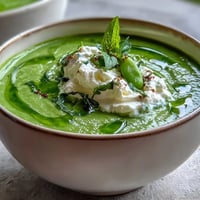
 Experience the ultimate comfort with this traditional Mung Bean Soup, a staple of Indian cuisine known for its incredible health benefits and soothing flavors. This vibrant, plant-based soup combines fiber-rich mung beans with a warming blend of ginger, turmeric, and cumin to create a dish that is as nourishing as it is delicious. Perfect for a quick weeknight dinner or as a restorative meal, this recipe brings the essence of home-cooked healing to your table.
 Save to Pinterest
 In Indian households, a warm bowl of mung bean soup (often referred to as Dal) is considered a primary source of wellness. The magic begins with the tempering of mustard seeds, which release a nutty aroma that serves as the foundation for the entire dish. Whether you are seeking a light lunch or a hearty evening meal, the combination of tender carrots and savory aromatics ensures every spoonful is deeply satisfying.
Ingredients
Tired of Takeout? 🥡
Get 10 meals you can make faster than delivery arrives. Seriously.
One email. No spam. Unsubscribe anytime.
- 1 cup dried mung beans, rinsed and soaked for 4 hours or overnight
- 1 medium onion, finely chopped
- 2 cloves garlic, minced
- 1-inch piece fresh ginger, grated
- 1 medium carrot, diced
- 1 medium tomato, chopped
- 1 small green chili, finely chopped (optional)
- 1 tsp ground cumin
- 1 tsp ground coriander
- 1/2 tsp turmeric powder
- 1/2 tsp ground black pepper
- 1/2 tsp mustard seeds
- 1/4 tsp asafoetida (hing), optional
- 1 tsp salt (or to taste)
- 6 cups water or vegetable broth
- 2 tbsp fresh cilantro, chopped
- 1 tbsp fresh lemon juice
Instructions
- Step 1
- Drain and rinse the soaked mung beans thoroughly.
- Step 2
- In a large pot, heat a splash of oil over medium heat. Add mustard seeds and let them sizzle for 30 seconds until they begin to pop.
- Step 3
- Add the chopped onion, minced garlic, and grated ginger. Sauté until the onion is translucent and fragrant, about 3 minutes.
- Step 4
- Stir in the carrots, tomato, green chili (if using), cumin, coriander, turmeric, black pepper, and asafoetida. Cook for another 2 minutes to toast the spices.
- Step 5
- Add the mung beans and pour in the water or vegetable broth. Bring the mixture to a boil, then reduce heat to low and simmer uncovered for 35–40 minutes, or until the mung beans are soft and the soup has thickened.
- Step 6
- Add salt and adjust the seasoning to your personal taste.
- Step 7
- Stir in the fresh lemon juice and garnish with chopped cilantro immediately before serving.
Zusatztipps für die Zubereitung
To achieve a thicker, creamier consistency without adding dairy, use a wooden spoon to lightly mash a portion of the cooked mung beans against the side of the pot. This technique releases the natural starches of the beans into the broth. Additionally, always ensure your mustard seeds sizzle properly; this step, known as tempering, is crucial for unlocking the authentic depth of flavor.
Varianten und Anpassungen
You can easily boost the nutritional profile of this soup by stirring in a handful of fresh spinach or kale during the final 5 minutes of simmering. If you prefer a milder soup, omit the green chili entirely. For those following a strict gluten-free diet, ensure your asafoetida is labeled gluten-free, as commercial varieties are sometimes blended with wheat flour.
Serviervorschläge
For a complete and hearty meal, serve this soup alongside a portion of fluffy steamed basmati rice or warm Indian flatbread like roti or naan. This dish also pairs beautifully with a crisp, dry Riesling or a soothing cup of ginger herbal tea to complement its warming spice profile.
 Save to Pinterest
  Save to Pinterest
 This Mung Bean Soup is a testament to the power of simple, wholesome ingredients. With its perfect balance of protein, fiber, and warming spices, it provides 180 calories and 11g of protein per serving, making it an ideal choice for anyone looking to enjoy a healthy and comforting meal. Whether shared with family or enjoyed as a quiet dinner, it is sure to become a favorite in your recipe collection.
Recipe FAQs
- → Do I really need to soak the mung beans?
Yes, soaking is essential for even cooking and proper texture. Unsoaked beans take much longer to cook and may remain tough in spots. Four hours is the minimum, but overnight soaking yields the best results.
- → Can I use canned mung beans instead?
Canned mung beans work in a pinch, though the texture will be different. Rinse them thoroughly and reduce the simmering time to 15-20 minutes just to blend flavors. The soup won't be quite as creamy since you lose the starch released from cooking dried beans.
- → What can I substitute for asafoetida?
If you can't find asafoetida, simply omit it—the soup will still be delicious. Some cooks add a pinch of garlic powder or extra minced garlic for a similar savory depth, though the flavor profile won't be identical.
- → How can I make this soup creamier?
The easiest method is to mash some of the cooked beans against the side of the pot with your spoon. For an even smoother texture, use an immersion blender to partially purée the soup, leaving some beans whole for texture. You can also stir in a splash of coconut milk before serving.
- → Can I add other vegetables to this soup?
Absolutely. Spinach or kale added in the last 5 minutes works beautifully. Diced potatoes, butternut squash, or sweet potato can simmer alongside the beans. Just adjust cooking time as needed so vegetables don't become mushy.
- → How long does this soup keep in the refrigerator?
Stored in an airtight container, this soup keeps for 4-5 days in the refrigerator. The flavors actually develop and improve over time. Reheat gently on the stovetop, adding a splash of water or broth if it has thickened too much.