 Save to Pinterest
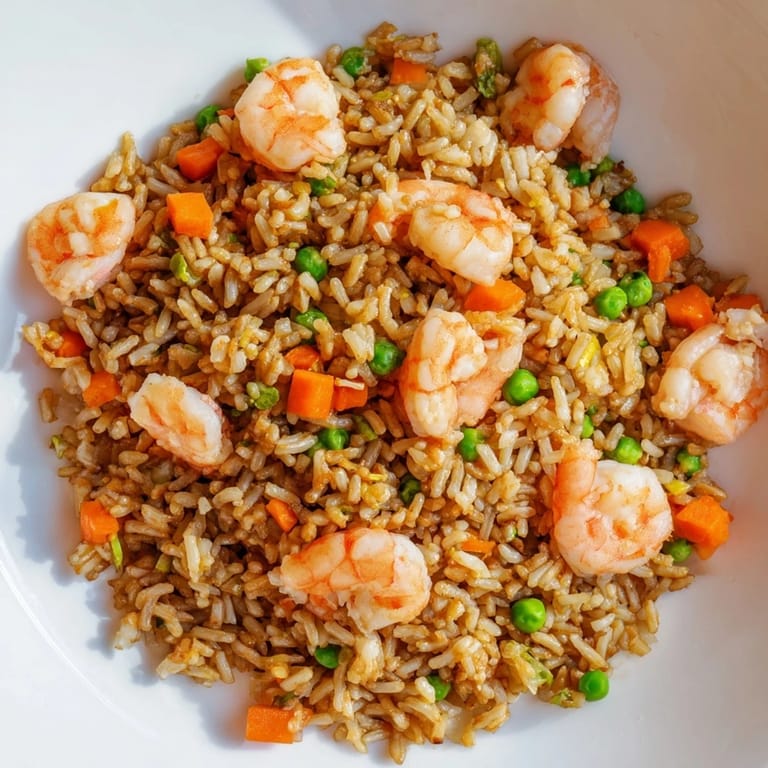
 There was this Tuesday night when I opened the fridge and found leftover rice, a bag of shrimp, and not much else. I was tired, hungry, and in no mood to order takeout again. That's when I remembered watching my neighbor toss rice in a smoking wok, the garlic smell drifting through open windows. I figured I could wing it. Thirty minutes later, I was scraping the pan clean, wondering why I ever thought fried rice was complicated.
I made this for my sister once when she dropped by unannounced, convinced I had nothing to offer. She watched me chop and stir, skeptical at first, then quiet as the kitchen filled with soy and sesame. By the time I plated it with lime wedges, she was already texting our mom the recipe. It became our thing after that, the dish I'd make whenever she needed comfort or just a reason to sit and talk.
Ingredients
- Raw shrimp, peeled and deveined: Fresh or frozen both work, just make sure they're dry before hitting the pan so they sear instead of steam.
- Cooked jasmine rice, day-old and chilled: Cold rice separates beautifully and fries up fluffy, not mushy, which is the whole secret to great fried rice.
- Carrot, diced: Adds a slight sweetness and a pop of color that makes the dish feel complete.
- Onion, finely chopped: Creates a savory base that mellows and sweetens as it cooks down with the garlic.
- Spring onions, sliced: Use most in the stir-fry and save some for garnish, they bring a fresh, sharp bite.
- Frozen peas, thawed: They're sweet, convenient, and need almost no cooking, just a quick toss to warm through.
- Garlic, minced: This is the star, the smell that makes everyone wander into the kitchen asking what's for dinner.
- Soy sauce: Brings that deep, salty umami that ties everything together.
- Oyster sauce: Adds a subtle sweetness and richness that you can't quite name but definitely notice.
- Sesame oil: A little goes a long way, it adds a toasty, nutty finish that makes the whole dish feel restaurant quality.
- White pepper: It has a sharper, more aromatic heat than black pepper and feels right in Asian cooking.
- Vegetable oil: High heat oil for stir-frying without burning.
- Lime wedges: A squeeze of lime at the end brightens everything and cuts through the richness.
Tired of Takeout? 🥡
Get 10 meals you can make faster than delivery arrives. Seriously.
One email. No spam. Unsubscribe anytime.
Instructions
- Prep the shrimp:
- Pat them completely dry with paper towels and season with a pinch of salt. Dry shrimp sear beautifully instead of steaming in their own moisture.
- Sear the shrimp:
- Heat 1 tablespoon vegetable oil in a large wok over medium-high heat until shimmering. Add shrimp in a single layer and cook 2 to 3 minutes until pink and just cooked through, then remove and set aside.
- Build the base:
- Add the remaining tablespoon of oil to the wok. Toss in the onion, carrot, and garlic, stirring constantly for 2 to 3 minutes until softened and the garlic is golden and fragrant.
- Fry the rice:
- Add the cold rice, breaking up clumps with your spatula. Stir-fry for about 2 minutes, letting it heat through and pick up a little color from the pan.
- Season and toss:
- Pour in the soy sauce, oyster sauce, sesame oil, and white pepper. Toss everything well so the rice is evenly coated and glossy.
- Finish and fold:
- Stir in the peas and most of the spring onions, then gently fold the shrimp back in. Cook another 1 to 2 minutes until everything is hot and well combined.
- Taste and serve:
- Adjust seasoning if needed. Serve immediately, topped with extra spring onions and lime wedges on the side.
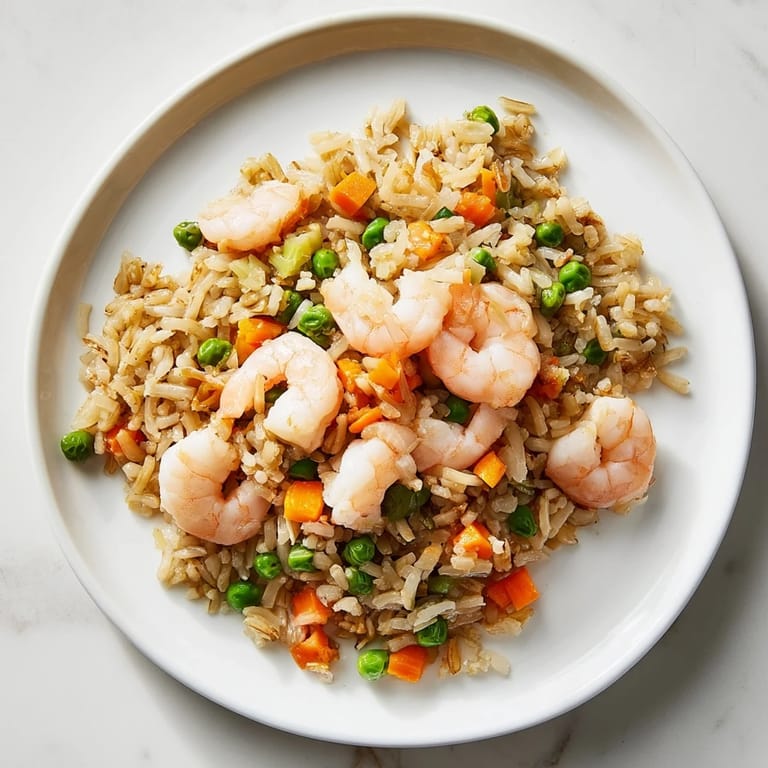 Save to Pinterest
 One evening I served this to a friend who swore she didn't like shrimp. She picked at it cautiously, then went back for seconds without a word. Later she admitted it was the garlic and the way everything tasted balanced, not fishy. That quiet moment of her changing her mind felt like a small win, proof that sometimes all it takes is the right dish at the right time.
Getting the Texture Just Right
The difference between good and great fried rice is all in the rice itself. If you use freshly cooked, warm rice, it will clump and turn sticky no matter how much you stir. Day-old rice that's been chilled in the fridge dries out just enough to separate beautifully when it hits the hot wok. I learned this the hard way after a few mushy batches that tasted fine but looked like porridge. Now I always cook extra rice the night before, spread it on a tray, and let it chill uncovered for a few hours.
Swapping Proteins and Vegetables
This recipe is incredibly forgiving when it comes to what you toss in. I've used leftover rotisserie chicken, cubed tofu, or even scrambled eggs in place of shrimp and it's always been delicious. The vegetables can change too, snap peas, bell peppers, corn, or bok choy all work beautifully. The key is keeping the proportions roughly the same and making sure everything is cut small enough to cook quickly. Fried rice is really just a template, a way to use what you have and make it feel intentional.
Serving and Storing
This dish is best eaten right away when the rice is still hot and slightly crispy from the wok. If you do have leftovers, store them in an airtight container in the fridge for up to two days. Reheat in a hot skillet with a splash of water or oil to bring back some of that texture.
- Top with a fried egg for extra richness and a runny yolk that acts like sauce.
- Serve alongside a simple cucumber salad or pickled vegetables to balance the richness.
- A squeeze of lime right before eating brightens everything and makes it taste fresher.
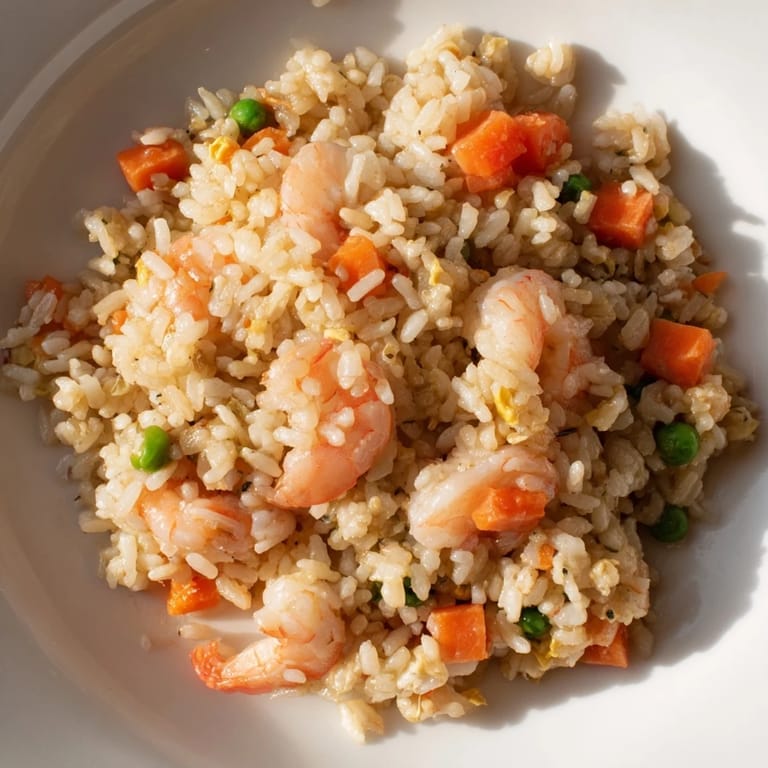 Save to Pinterest
 This is the kind of recipe that makes weeknight cooking feel less like a chore and more like taking care of yourself. It's quick, satisfying, and somehow always better than you remember.
Recipe FAQs
- → Can I use fresh rice instead of day-old?
Day-old chilled rice works best because it's drier and won't clump during stir-frying. If using fresh rice, spread it on a baking sheet to cool completely before cooking, or refrigerate it for a few hours.
- → What's the best way to cook shrimp without overcooking?
Pat shrimp dry before cooking and use medium-high heat. Cook for 2–3 minutes until they turn pink and opaque. Overcooked shrimp becomes rubbery, so remove them as soon as they're done and set aside until the final step.
- → Can I prepare ingredients ahead of time?
Yes, this dish is perfect for meal prep. Peel and devein shrimp, chop vegetables, and mince garlic up to 24 hours ahead. Store in separate containers in the refrigerator. Keep your cooked rice chilled and ready to use.
- → What protein substitutes work well?
Chicken breast, tofu, or cashews are excellent alternatives to shrimp. Chicken takes slightly longer to cook (about 5 minutes), while tofu and cashews need only 1–2 minutes of heating to incorporate flavors.
- → How do I adjust the seasoning?
Taste before serving. Add more soy sauce for saltiness, sesame oil for nuttiness, or white pepper for heat. A squeeze of fresh lime juice brightens the flavors. Keep adjustments subtle to maintain balance.
- → Can this dish be frozen for later?
Yes, it freezes well for up to 3 months. Cool completely, transfer to airtight containers, and freeze. Reheat gently in a wok or skillet with a splash of water to restore texture. Avoid reheating in the microwave if possible.