 Save to Pinterest
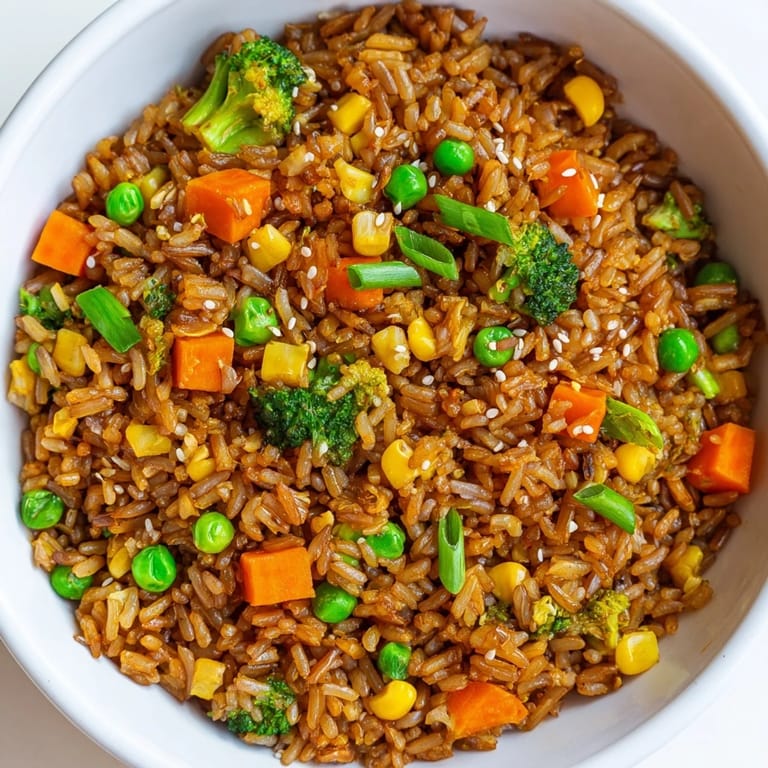
 My wok was smoking hot, the kitchen windows fogged, and I was tossing cold rice with both hands like I'd seen in a dozen street food videos. The sizzle when the soy sauce hit the pan made my dog bark from the living room. I'd finally cracked the code: day-old rice, high heat, and the confidence to let things char just a little.
I made this for my brother once when he showed up unannounced and starving after a long drive. He stood by the stove, stealing bites of charred bell pepper before I could even plate it. By the time I served it with a fried egg on top, he'd declared it better than our favorite Chinese spot downtown, which felt like winning an award.
Ingredients
- Cooked jasmine or long-grain rice (day-old, cold): Day-old rice is drier and separates beautifully under high heat without turning gummy, so I always make extra rice the night before on purpose now.
- Carrots, diced: They add sweetness and a pop of color, and I've learned to cut them small so they cook in the same time as everything else.
- Bell pepper, diced: I use red or yellow for sweetness and visual contrast, and they char at the edges in the most delicious way.
- Frozen peas, thawed: These little guys need barely any cooking and add bursts of bright green and a hint of sweetness.
- Broccoli florets, small: I break them into tiny pieces so they get crispy tips and cook fast without steaming the rice.
- Sweet corn kernels: Frozen or fresh both work, and they caramelize slightly if you let them sit undisturbed for a few seconds.
- Green beans, chopped: They give a satisfying snap and a bit of earthiness that balances the sweeter vegetables.
- Green onions, sliced: I add most during cooking and save some for garnish because the raw ones have a sharper, fresher bite.
- Garlic, minced: It's the aromatic backbone, and I've learned to add it first so the oil soaks up that flavor before anything else hits the pan.
- Ginger, minced: Fresh ginger adds warmth and a little zing that makes the whole dish smell like a restaurant kitchen.
- Soy sauce: This is your salt and umami in one, and I always keep a bottle of tamari around for gluten-free friends.
- Sesame oil: A little drizzle at the end adds a nutty, toasty aroma that makes everything smell like it took hours.
- Vegetable oil: I use this for the high-heat stir-frying because it doesn't smoke or burn like olive oil would.
- Toasted sesame seeds: Optional but worth it for the tiny crunch and extra toasted flavor on top.
- White pepper or black pepper: White pepper has a sharper, more floral heat that feels more traditional, but black pepper works just fine.
- Salt, to taste: I go light at first since soy sauce is salty, then adjust at the very end once everything is mixed.
Tired of Takeout? 🥡
Get 10 meals you can make faster than delivery arrives. Seriously.
One email. No spam. Unsubscribe anytime.
Instructions
- Get the wok blazing:
- Heat the vegetable oil in a large wok or skillet over medium-high heat until it shimmers and a drop of water sizzles instantly. A hot wok is the secret to that smoky, restaurant-style char.
- Bloom the aromatics:
- Add the garlic and ginger, stirring constantly for about 30 seconds until they smell toasty and fragrant but haven't turned brown. This step perfumes the oil and sets the flavor foundation.
- Stir-fry the hearty vegetables:
- Toss in the carrots, bell pepper, broccoli, green beans, and corn, stirring almost constantly for 3 to 4 minutes. You want them just tender but still crisp, with a few charred edges for sweetness.
- Add the quick-cooking vegetables:
- Stir in the peas and most of the green onions, cooking for just 1 minute. These cook fast and you don't want them mushy.
- Toss in the cold rice:
- Crank the heat to high and add the cold cooked rice, breaking up any clumps with your spatula as you stir-fry for 2 to 3 minutes. The high heat helps each grain get a little crispy and separate instead of sticky.
- Season and gloss:
- Drizzle the soy sauce and sesame oil over the rice, then sprinkle with pepper and toss everything together until evenly coated. Taste and add a pinch of salt or a splash more soy sauce if it needs it.
- Garnish and serve:
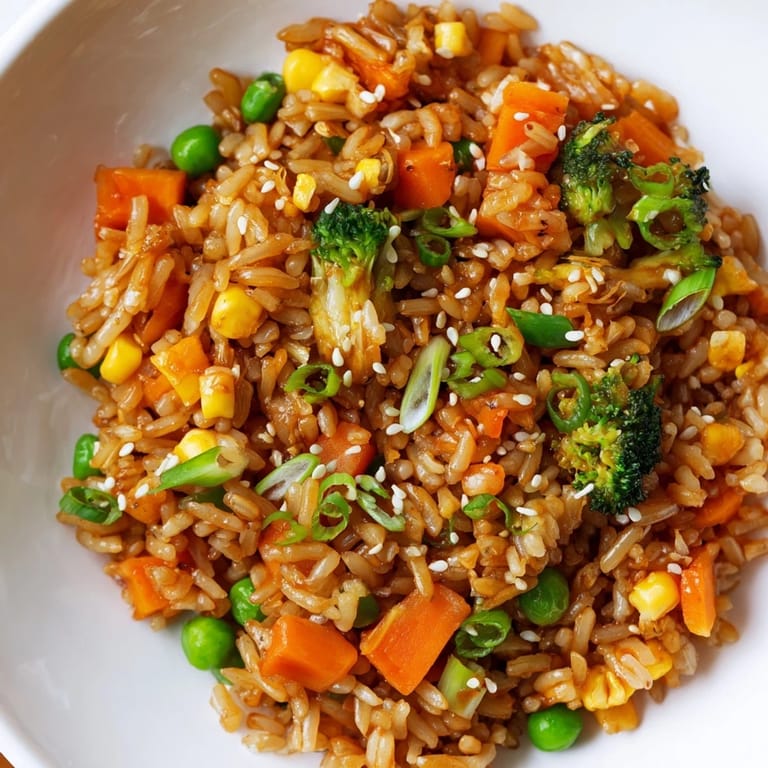
- Remove from heat and top with the reserved green onions and sesame seeds if you're using them. Serve it hot, straight from the wok if you can.
 Save to Pinterest
 This became my go-to whenever I needed to feel capable in the kitchen, especially on nights when I was too tired to think. The rhythm of chopping, the heat of the wok, the way everything came together in under 20 minutes, it felt like a little act of care I could give myself. And somehow, it always tasted better than I expected.
Making It Your Own
I've thrown in scrambled eggs, cubed tofu, even leftover rotisserie chicken when I had it. Once I added mushrooms and zucchini because that's all I had, and it turned out earthier and just as good. This recipe is more of a template than a rule, so trust your fridge and your instincts.
Getting the Texture Right
The first time I made this, I used warm, freshly cooked rice and ended up with a gluey clump that stuck to the wok. Now I spread leftover rice on a plate and chill it uncovered in the fridge for a few hours or overnight. The drier it is, the better it fries, and those individual grains make all the difference.
Serving and Storing
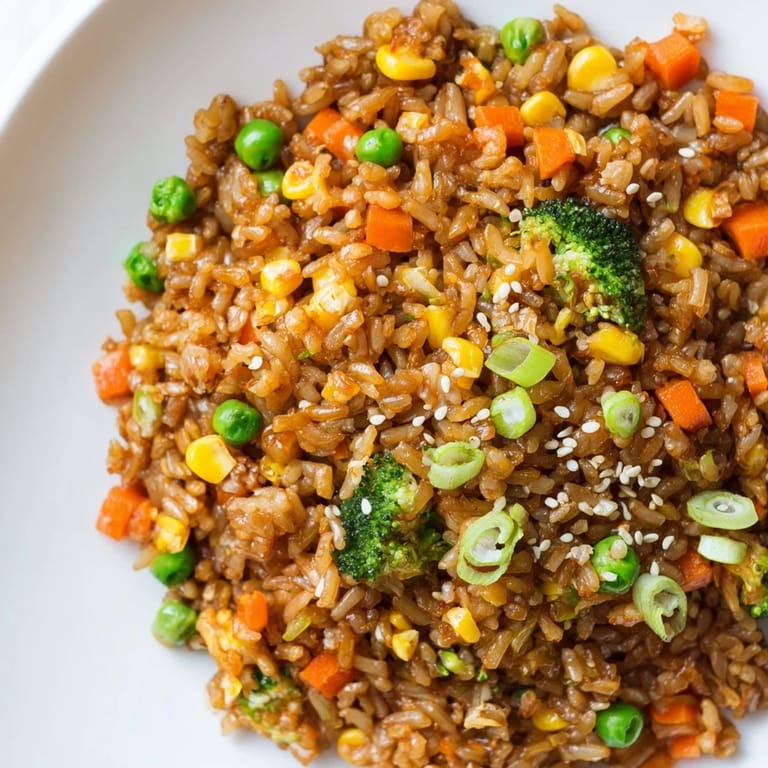
I like to serve this with a fried egg on top, runny yolk breaking into the rice like a sauce. It keeps in the fridge for up to four days in an airtight container, and I've eaten it cold for lunch more times than I can count. Reheat it in a hot skillet with a tiny splash of water to bring back some of that just-cooked texture.
- Add a drizzle of chili oil or sriracha if you want heat without changing the recipe.
- Squeeze fresh lime juice over the top right before serving for a bright, tangy finish.
- If you're meal prepping, undercook the vegetables slightly so they don't turn mushy when reheated.
 Save to Pinterest
 This dish taught me that good food doesn't need to be complicated or fancy, it just needs to be made with a little attention and a lot of heat. I hope it becomes one of those recipes you turn to on repeat, the way I do.
Recipe FAQs
- → Why should I use day-old rice?
Day-old rice has less moisture content, making each grain separate and fluffy during stir-frying. Fresh warm rice tends to clump together and become mushy.
- → Can I add protein to this dish?
Absolutely. Scrambled eggs, tofu cubes, cashews, or chickpeas work wonderfully. Add them along with the vegetables or stir in after cooking the rice.
- → How do I prevent the rice from sticking?
Use adequate oil and ensure your wok or skillet is sufficiently hot before adding rice. Keep stirring constantly and break up any clumps with your spatula as you cook.
- → What vegetables can I substitute?
You can use mushrooms, zucchini, snap peas, water chestnuts, bok choy, or cabbage. Cut everything into similar-sized pieces for even cooking.
- → How do I make this spicy?
Add chili sauce, sriracha, or fresh minced chili peppers. Start with a small amount and adjust to your heat preference. Chili oil drizzled at the end is also excellent.
- → Is this naturally gluten-free?
Regular soy sauce contains gluten. Use tamari or certified gluten-free soy sauce instead. Check all other ingredient labels for hidden gluten sources.